
Our bodies often give us clues when something is out of balance. Changes in your feet, nails, skin, energy levels, or appetite may be signs that deserve attention.
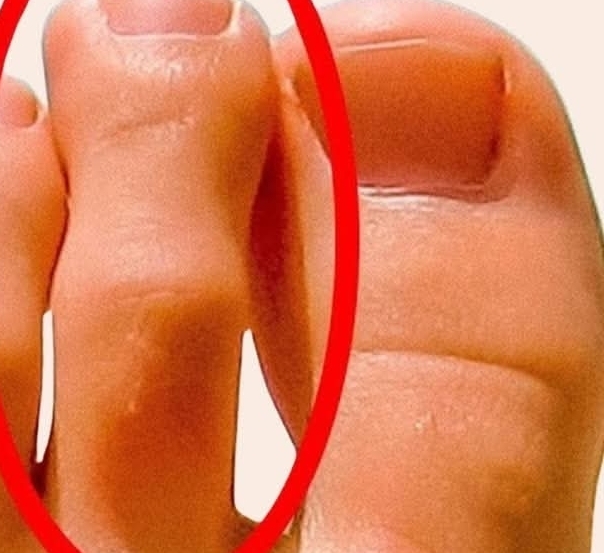
1. Curled or Overlapping Toes
A toe that bends upward or overlaps neighboring toes may be a condition known as hammer toe.
Possible Causes
- Muscle imbalance in the foot
- Tight or narrow shoes
- Arthritis
- Nerve damage
- Genetic foot structure
What You Can Do
Step 1: Wear comfortable, wide-toe shoes.
Step 2: Perform gentle foot stretches daily.
Step 3: Consider supportive insoles or orthotics.
Step 4: Maintain a healthy body weight.
Step 5: Consult a foot specialist if pain or stiffness worsens.
2. Persistent Fatigue
Constant tiredness despite adequate sleep may indicate an underlying issue.
Possible Causes
- Iron deficiency
- Vitamin B12 deficiency
- Thyroid imbalance
- Chronic stress
- Poor sleep quality
Signs to Watch For
- Difficulty concentrating
- Frequent headaches
- Weakness or dizziness
- Low motivation
What You Can Do
Step 1: Aim for 7–9 hours of quality sleep.
Step 2: Eat balanced meals containing protein, fruits, and vegetables.
Step 3: Stay hydrated throughout the day.
Step 4: Manage stress through exercise or relaxation techniques.
3. Brittle or Peeling Nails
Your nails can provide clues about your overall health.
Possible Causes
- Iron deficiency
- Low protein intake
- Biotin deficiency
- Thyroid disorders
- Dehydration
Signs to Watch For
- Splitting nails
- Peeling layers
- Deep ridges
What You Can Do
Step 1: Increase protein-rich foods.
Step 2: Eat foods containing biotin and iron.
Step 3: Drink enough water daily.
Step 4: Limit exposure to harsh nail products.
4. Dry or Cracked Skin
Persistent dryness may indicate more than environmental factors.
Possible Causes
- Dehydration
- Vitamin A deficiency
- Omega-3 deficiency
- Hormonal changes
Common Areas Affected
- Hands
- Elbows
- Heels
- Face
What You Can Do
Step 1: Increase water intake.
Step 2: Include healthy fats such as nuts, seeds, and fish.
Step 3: Use gentle moisturizers regularly.
5. Frequent Muscle Cramps
Muscle cramps may be related to nutrient imbalances.
Possible Causes
- Magnesium deficiency
- Potassium imbalance
- Dehydration
- Overexertion
What You Can Do
Step 1: Stay hydrated.
Step 2: Eat potassium-rich foods such as bananas and avocados.
Step 3: Stretch regularly.
Step 4: Seek medical advice if cramps become frequent or severe.
6. Pale or Swollen Tongue
The tongue may reveal important information about nutritional health.
Possible Causes
- Iron deficiency anemia
- Vitamin B12 deficiency
- Folate deficiency
- Certain infections
Signs to Watch For
- Pale appearance
- Swelling
- Smooth surface
What You Can Do
Step 1: Ensure adequate intake of iron and B vitamins.
Step 2: Consult a healthcare professional if symptoms persist.
7. Sudden Hair Thinning
Hair changes may reflect nutritional or hormonal imbalances.
Possible Causes
- Iron deficiency
- Protein deficiency
- Hormonal changes
- Chronic stress
What You Can Do
Step 1: Eat enough protein daily.
Step 2: Maintain a balanced diet rich in vitamins and minerals.
Step 3: Manage stress through regular exercise and relaxation.
Step 4: Seek medical evaluation for sudden or severe hair loss.
8. Constant Sugar Cravings
Frequent cravings for sweets may indicate an imbalance.
Possible Causes
- Blood sugar fluctuations
- Lack of sleep
- Nutrient deficiencies
- High stress levels
What You Can Do
Step 1: Eat balanced meals containing protein and fiber.
Step 2: Reduce highly processed foods.
Step 3: Maintain regular sleep habits.
Step 4: Stay physically active.
Final Thoughts
Your body often provides early warning signs when something needs attention. Changes in your feet, skin, nails, tongue, energy levels, or appetite may be reminders to review your nutrition, lifestyle habits, and overall health.
Paying attention to these signals and seeking professional advice when needed can help support long-term health and well-being.
Important Note
This article is for educational purposes only and is not intended to diagnose, treat, cure, or prevent any disease. Consult a qualified healthcare professional regarding any persistent or concerning symptoms.