Understanding, Preparing, and Safely Enjoying These Unusual Aquatic Treasures
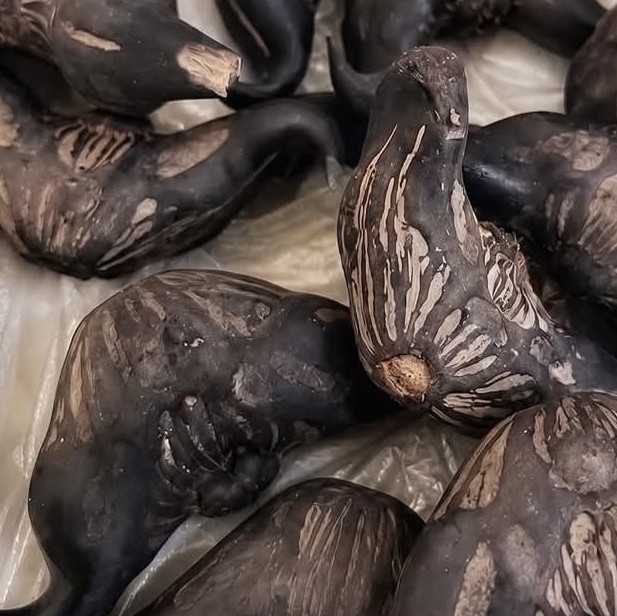
Receiving a bag of strange, horned fruits from a neighbor can certainly spark curiosity—and perhaps a bit of concern! Those dark, intimidating shells with their curved projections do look like something from another planet. But rest assured, you’ve been given a traditional food that has been enjoyed in many cultures for generations.
Let’s explore what these fascinating fruits are, how to prepare them safely, and what makes them so special.
📋 Quick Reference: What You Need to Know
Detail
Information
Identity
Water caltrops (genus Trapa), also called horned water chestnuts, buffalo nuts, or devil’s nuts
Appearance
Dark brown/black hard shell with 2-4 curved “horns”
Edible Part
Pale, starchy kernel inside the shell
⚠️ Critical Rule
NEVER eat raw – must be thoroughly cooked
Preparation
Boil or steam, then crack shell and remove kernel
Taste/Texture
Mild, nutty, starchy, similar to chestnuts
Bottom Line
Fascinating traditional food, but requires proper identification and cooking for safety
💡 Key Insight: The dramatic difference between the intimidating, horned exterior and the mild, starchy interior makes this one of nature’s most surprising foods. But that hard shell exists for a reason—it protects against environmental hazards that cooking helps eliminate.
What Exactly Are These Fruits?
The fruits in your photograph are water caltrops, aquatic plants from the genus Trapa that grow in freshwater ponds, lakes, and slow-moving waterways. Their distinctive appearance features:
Dark brown to black hard shells
Curved, horn-like projections (usually 2-4 per fruit)
Woody, intimidating exterior
Common Names Around the World:
Common Names Around the World:
Water caltrop
Horned water chestnut
Buffalo nut
Bat nut
Devil’s nut
Singhara (in South Asia)
The exact name varies considerably by region, which can sometimes cause confusion.
Why Do They Look Like Little Horned Animals?
The strange shape isn’t accidental—it’s brilliant evolutionary design. Those hard projections serve important purposes:
Reproductive Strategy: The shape and weight help the fruit interact with its aquatic environment
Protection: The hard exterior shields the edible seed inside from predators and environmental damage
Anchoring: The horns can help the fruit settle into the muddy bottom of ponds and lakes
From a human perspective, however, those horns create one immediate challenge: they’re not easy to peel. Unlike familiar fruits, you can’t simply bite through the skin.
🎁 What’s Inside the Shell?
This is where the surprise comes in! Inside that dark, intimidating shell lies:
A pale, white-to-cream colored kernel
Firm and starchy texture
Mild, nutty, slightly sweet flavor
Consistency similar to a chestnut
The contrast is striking:
Outside: Dark, hard, covered in horns
Inside: Pale, starchy, edible
It’s one of those foods that looks completely different before and after preparation.
⚠️ Important Distinction: Not the Same as Chinese Water Chestnuts
Despite the name “water chestnut,” water caltrops are NOT the same as the familiar Chinese water chestnut (Eleocharis dulcis).
Feature
Water Caltrops (Trapa)
Chinese Water Chestnut (Eleocharis)
What it is
Fruit with horns
Underground corm (like a tuber)
Appearance
Hard shell with projections
Smooth, rounded, brown skin
Texture
Starchy, chestnut-like
Crisp, crunchy (even when cooked)
Botanical family
Different plant family
Aquatic sedge
This distinction matters because preparation methods and culinary uses differ significantly.
🍳 How to Prepare Water Caltrops Safely
️ CRITICAL SAFETY WARNING
Never eat water caltrops raw. This is the most important rule.
Because they grow in freshwater environments, raw water caltrops can potentially carry:
Microorganisms from the water
Parasites such as Fasciolopsis buski (a foodborne intestinal fluke)
Bacteria from the aquatic environment
Thorough cooking eliminates these risks.
Step-by-Step Preparation:
Wash Thoroughly
Scrub the outer shells under running water
Remove any debris or mud
Cook Completely
Boiling: Submerge in water and boil for 20-30 minutes
Steaming: Steam for 25-35 minutes
Cooking time varies by size and species
Cool Safely
Allow to cool enough to handle comfortably
Don’t rush this step—the shells will be very hot
Crack the Shell
Use a nutcracker, heavy knife, or kitchen shears
The shell is hard and woody, so apply firm pressure
Remove all shell fragments
Remove the Kernel
Extract the pale, starchy interior
Discard the hard shell
Enjoy
Eat the cooked kernel on its own
Or incorporate into soups, stews, or other dishes
🍽️ What Do Cooked Water Caltrops Taste Like?
People often describe the flavor as relatively mild. The texture is usually more notable than the taste:
Firm
Starchy
Slightly crunchy (when not overcooked)
Nutty
Mildly sweet
Similar to chestnuts
Because they don’t have an overpowering flavor, they’re often used in dishes where:
The texture can stand out
They can absorb or complement other flavors
They add substance without dominating the dish
❓ Important Questions to Ask Your Neighbor
Before preparing these fruits, it’s wise to clarify:
What species are they? (Some varieties are more commonly consumed than others)
Where were they harvested? (Clean water source is essential)
Are they intended for human consumption? (Some ornamental varieties exist)
How have they been stored? (Freshness matters)
Does your neighbor have a preferred preparation method? (Local traditions vary)
If you’re uncertain about their identity or origin, it’s better not to experiment with eating them. A photograph can suggest an identification, but it cannot guarantee safety.
🌍 Cultural Significance
Water caltrops have been consumed for generations in:
China (where they’re often called “ling” or “water chestnuts”)
India (known as “singhara,” especially important during religious fasting)
Japan (called “hishi”)
Korea
Various parts of Europe (historically)
In some cultures, they hold special significance during religious observances or festivals.
📋 Quick-Reference Action Plan
Before You Begin
Confirm with your neighbor that these are edible water caltrops
Verify they were harvested from a clean, safe water source
Inspect the fruits for any signs of mold or damage
Preparation Day
Wash thoroughly under running water
Boil or steam for 20-35 minutes (never skip this step!)
Cool completely before handling
Crack shells carefully with appropriate tools
Remove and inspect the kernels
Serving
Taste a small piece first to ensure proper cooking
Enjoy on their own or add to your favorite recipes
Store any leftover cooked kernels in the refrigerator (use within 2-3 days)
🌱 A Compassionate Mindset: Curiosity with Caution
It’s wonderful that your neighbor shared these unusual fruits with you! This gesture speaks to community, trust, and the joy of sharing unique foods.
At the same time, please hold this truth gently: Curiosity and caution are not opposites—they are partners.
You can be excited about trying something new AND take proper precautions. You can appreciate a neighbor’s generosity AND ask important questions about safety. You can embrace culinary adventure AND respect the wisdom of traditional preparation methods.
There’s no shame in being careful with unfamiliar foods, especially those that grow in aquatic environments. The fact that you’re seeking information before eating them shows wisdom, not fear.
💙 Affirmation: “I approach new experiences with both curiosity and wisdom. I honor my body by taking proper precautions, and I embrace learning as a form of self-care.”
Final Thought: The Beauty of Traditional Foods
Water caltrops are a reminder that our world is full of fascinating, lesser-known foods that have sustained communities for generations. Their unusual appearance might be intimidating at first, but beneath those horns lies a humble, nutritious kernel that has fed families for centuries.
By taking the time to understand, prepare, and cook them properly, you’re participating in a tradition that stretches back through time. You’re honoring both the food and the wisdom of those who came before.
So ask your neighbor questions, cook them thoroughly, and enjoy this culinary adventure with both enthusiasm and care. Who knows? You might discover a new favorite food.
“The most rewarding discoveries often come wrapped in unfamiliar packages. With patience, respect, and proper preparation, mystery can become nourishment.”
Have you ever tried water caltrops before? Do you have other unusual foods from your community that you’d like to learn more about? Share your experiences below—we’re all learning to explore the world’s diverse foods, together!
Mysterious Horned Fruits: A Guide to Water Caltrops