
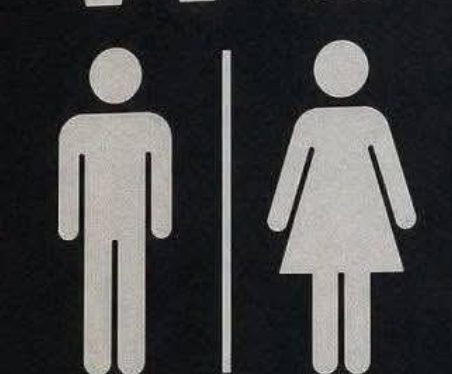
Have you ever walked through a hotel, airport, restaurant, or train station and noticed a small “WC” sign instead of the more familiar “Restroom” or “Toilet”?
If you’re from the United States, those letters can seem a little mysterious. After all, what does WC have to do with a bathroom?
The answer goes back to an older term for one of the most basic fixtures in the room.
WC stands for “water closet.”
And the history behind that expression is surprisingly interesting.
What Is a “Water Closet”?
A water closet was originally a small room containing a toilet that used water to carry away waste.
The term became associated with flush toilets in the 19th century, when indoor plumbing was becoming increasingly common.
Before modern flush toilets became widespread, toilets could involve very different arrangements, including chamber pots, privies, and other sanitation systems.
The arrival of reliable indoor plumbing changed things dramatically.
A toilet connected to a water-based flushing system was essentially a closet containing a water-flushing toilet—hence the name water closet.
Over time, the phrase was shortened to the initials W.C.
Why Does “WC” Still Appear on Signs?
Language tends to leave little traces of the past.
Although most English speakers today simply say “bathroom,” “restroom,” or “toilet,” the abbreviation WC survived in many parts of the world.
You may encounter it on:
Public restroom signs
Hotel directories
Restaurant signs
Train stations
Airports
Maps
Building floor plans
European travel signs
It’s especially common in parts of Europe and in places influenced by European terminology.
Why Don’t Americans Usually Say “Water Closet”?
In the United States, “water closet” gradually became less common in everyday conversation.
Americans typically use terms such as:
Bathroom
Restroom
Washroom
Toilet
Interestingly, the word bathroom can be somewhat misleading because a room doesn’t necessarily contain a bathtub.
But language doesn’t always develop according to strict logic. Once a term becomes familiar, it can stick around for generations.
WC Doesn’t Necessarily Mean a Full Bathroom
There’s another interesting distinction.
Traditionally, a water closet specifically referred to the room or compartment containing the toilet, rather than necessarily referring to an entire bathroom with a sink, shower, and bathtub.
That’s why you may sometimes see a WC represented separately from other bathroom facilities on architectural plans.
In modern usage, however, the meaning can vary depending on the country and context.
Where Did the Term Come From?
The expression became popular during the development of indoor sanitation in Britain and elsewhere.
Early flush toilets were sometimes described using terms such as water closet to distinguish them from older forms of toilets.
As plumbing technology improved and indoor toilets became more common, the phrase became familiar.
Eventually, the abbreviation W.C. offered a convenient way to label these facilities without writing out the entire expression.
Is WC an English Term?
Yes—but its modern use is particularly noticeable outside the United States.
You can still encounter WC in countries where English isn’t the primary language because the abbreviation became internationally recognizable in connection with toilets and public sanitation.
For travelers, that makes it a useful little piece of vocabulary to remember.
If you’re looking at a sign in an unfamiliar country and see WC, there’s a good chance you’re being directed toward a toilet or restroom.
What About “Bathroom” vs. “Restroom” vs. “WC”?
These terms aren’t always interchangeable everywhere.
Bathroom
Common in American English, even when the room doesn’t contain a bathtub.
Restroom
Another common American term, especially for public facilities.
Toilet
Very common in British English and many other varieties of English. It can refer either to the fixture itself or the room containing it.
WC
A traditional abbreviation for water closet, commonly encountered on signs, maps, and building plans.
The exact terminology depends heavily on the country.
Why Do Hotel Signs Often Say WC?
Hotels frequently cater to international travelers.
Using a short, widely recognized abbreviation can make signage easier to understand for guests who speak different languages.
A simple WC can communicate the purpose of a room without requiring a longer word in the local language.
That’s one reason you may see it on hotel maps, room layouts, and public-area signs.
Does WC Stand for “Wash Closet”?
No.
This is a common guess, but WC stands for “water closet.”
The “water” refers to the water-based flushing system, while “closet” originally referred to a small enclosed room or compartment.
So the phrase is essentially a historical description of a small room containing a water-flushing toilet.
The Surprisingly Long History Behind Two Letters
It’s easy to walk past a WC sign without thinking about it.
But those two letters represent a major change in everyday life.
Indoor plumbing transformed sanitation, particularly in growing cities, and the flush toilet eventually became a normal part of homes, businesses, and public buildings.
The abbreviation survived long after the original phrase stopped being common in everyday speech.
That’s one of the fascinating things about language: old technology can leave its fingerprints on modern vocabulary.
Frequently Asked Questions
What does WC stand for?
WC stands for water closet, an older term for a room containing a flush toilet.
Is WC the same as a bathroom?
Not always. Traditionally, a water closet referred specifically to the toilet area, while a bathroom may include a toilet, sink, bathtub, or shower.
Why do European signs say WC?
The abbreviation is widely understood internationally and has remained a common way of identifying toilet facilities.
Is WC still used in English?
Yes. Although less common in everyday American English, WC remains widely used on signs, maps, building plans, and in international travel settings.
Why is it called a “closet”?
Historically, closet could mean a small private room or enclosed space. It didn’t have the modern meaning of a storage cupboard that Americans often associate with the word today.
The Bottom Line
The next time you see “WC” on a restroom sign, you’ll know exactly what those letters mean.
WC = Water Closet.
It’s an old expression dating back to the development of flush toilets and indoor plumbing, yet the abbreviation has survived and remains recognizable around the world.
So while “water closet” may sound like an oddly formal name for a restroom today, those two little letters are actually a reminder of how much plumbing, sanitation, and everyday language have changed over the years.