
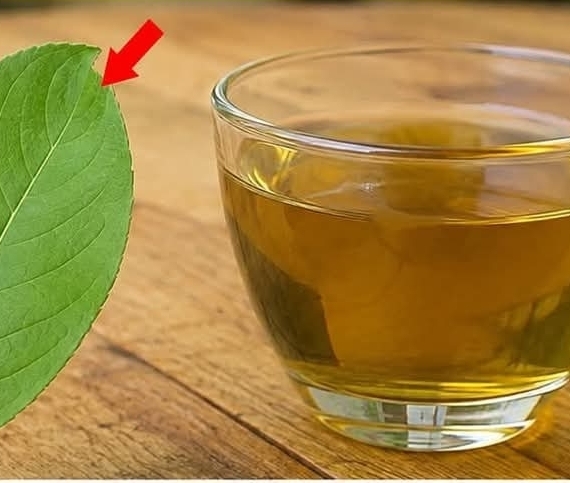
Natural leaves, herbal teas, and plant extracts have been used in traditional wellness practices for generations. In recent years, social media posts have gone much further, sometimes claiming that a particular leaf or herbal formula can cure cancer without chemotherapy, radiation, surgery, or other conventional treatments.
The claim is certainly attention-grabbing. But when cancer is involved, it is important to separate promising laboratory research from treatments that have actually been proven to work in people.
Can a Leaf or Herbal Tea Really Cure Cancer?
At present, there is no reliable scientific evidence showing that an herbal tea, medicinal leaf, dietary supplement, or special diet can cure cancer or replace established cancer treatment.
The U.S. National Cancer Institute states that there is no proof that a food, vitamin, mineral, dietary supplement, herb, or combination of these can cure cancer, slow it down, or prevent it from returning.
This distinction matters because laboratory studies can sometimes show that compounds extracted from plants affect cancer cells in a test tube. That does not automatically mean that drinking tea made from the plant will have the same effect inside the human body.
Researchers still need carefully controlled clinical trials to determine whether a compound is effective, what dose might be appropriate, and whether it is safe.
Why Are Scientists Interested in Medicinal Plants?
Plants contain thousands of naturally occurring chemical compounds. Scientists study many of these compounds because some may have interesting biological properties.
This research is valuable. In fact, studying natural substances can sometimes contribute to the development of medicines. However, discovering an interesting compound is only the beginning.
Researchers must determine how the compound is absorbed, how it behaves in the body, whether an effective concentration can safely reach a tumor, whether it interacts with medications, and whether it actually improves outcomes in patients.
For many herbal supplements promoted for cancer, research remains preliminary and the available scientific evidence is limited.
What About Herbal Tea?
Herbal tea can be an enjoyable part of a person’s diet, depending on the particular plant and the individual’s health circumstances. But describing an ordinary herbal infusion as a cancer cure would go far beyond the available evidence.
Even products labeled “natural” are not automatically harmless. Certain herbs and concentrated extracts can produce side effects or interact with prescription medicines.
This is particularly important during cancer treatment. Some herbal products may interfere with medications or potentially affect how cancer therapies work.
Anyone undergoing cancer treatment should therefore discuss herbal teas, extracts, powders, capsules, or supplements with their oncology team before using them regularly.
Can Natural Remedies Replace Conventional Cancer Treatment?
They should not.
Cancer treatment is selected according to factors such as the cancer type, stage, molecular characteristics, location, and the patient’s overall health. Depending on the situation, treatment may include surgery, radiation therapy, chemotherapy, targeted therapy, immunotherapy, hormone therapy, or combinations of treatments.
The National Center for Complementary and Integrative Health specifically advises people not to use unproven products or practices to replace or delay medical cancer treatment. No complementary health approach has been demonstrated to cure cancer.
There is also evidence that abandoning established cancer treatment in favor of alternative therapies can have serious consequences. Research summarized by the National Cancer Institute found substantially poorer survival among certain patients who chose alternative therapies instead of conventional treatment.
Complementary Care Is Different From Alternative Treatment
It is useful to distinguish between complementary and alternative approaches.
Complementary approaches are used alongside standard medical treatment. Some evidence-based complementary practices may help patients manage symptoms, stress, pain, nausea, fatigue, or other treatment-related difficulties.
Alternative approaches, by contrast, are used instead of established medical treatment.
Some complementary practices can have a legitimate role in supportive cancer care, but this does not mean they cure the cancer itself.
Be Careful With Dramatic “Before and After” Images
Images showing a skin lesion apparently disappearing after several days can be persuasive, but photographs alone cannot establish that a treatment cured cancer.
A suspicious skin lesion requires professional diagnosis. Doctors may need to examine it and perform a biopsy to determine whether it is cancerous and, if so, what type it is.
Without this information, a photograph cannot reliably demonstrate what the original lesion was, why it changed, or whether cancerous cells remained beneath the skin.
This is especially important because some products promoted online for skin cancer can cause serious tissue damage without reliably eliminating the cancer. For example, NCCIH warns that so-called black salves are neither safe nor effective and can damage healthy tissue while potentially leaving cancer behind.
The Bottom Line
Medicinal plants are an important area of scientific research, and researchers continue investigating plant-derived compounds for potential medical applications. But “scientists are studying a plant” is very different from “this leaf cures cancer.”
Current evidence does not support replacing proven cancer treatments with herbal tea, leaves, supplements, or homemade remedies.
If someone has cancer—or a suspicious lump, mole, sore, or skin lesion—the safest course is to seek appropriate medical evaluation. Herbal products should be discussed with the treating healthcare team, particularly during chemotherapy or other cancer therapies, because interactions are possible.
Natural products may have a place in nutrition or supportive care, but claims of a cancer cure require strong clinical evidence. Until such evidence exists, no leaf or herbal formula should be presented as a proven substitute for conventional cancer treatment.