
For many people over 60, maintaining strong bones, healthy joints, and good mobility becomes increasingly important. Everyday activities such as climbing stairs, standing from a chair, walking around the neighborhood, or exercising can become more difficult when muscle strength declines or joint problems develop.
This has led to growing interest in eggshells as a natural source of calcium. Eggshells are largely made of calcium carbonate, which means they contain a substantial amount of calcium. However, that does not mean eating eggshell powder can suddenly transform someone who struggles to walk into a daily runner.
The good news is that calcium really is important for normal bone health and muscle function. The key is getting it safely and combining it with the other nutrients and lifestyle habits that support healthy aging.
If you want to experiment with eggshell powder as a food ingredient, preparation and hygiene are extremely important. Raw eggshells can carry harmful bacteria, so simply collecting shells, crushing them, and eating them is not a good idea.
Start by saving clean eggshells from properly handled eggs. Rinse them thoroughly to remove remaining egg residue. Place the shells in a clean pan or on a baking sheet and heat them thoroughly to reduce the risk of bacterial contamination. Allow them to cool completely before grinding.
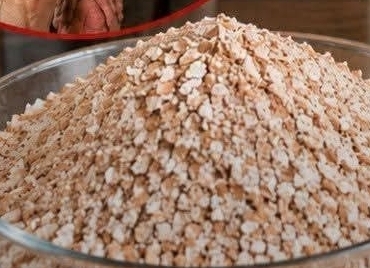
Once completely dry, the shells can be ground into a very fine powder using a clean spice grinder or another suitable kitchen appliance. The powder should be extremely fine because larger pieces can be unpleasant to consume and may irritate the mouth or throat.
However, homemade eggshell powder has an important limitation: the exact amount of calcium in each homemade serving is difficult to determine. This makes it difficult to know precisely how much calcium you are consuming.
For that reason, eggshell powder should not automatically be treated as a replacement for a properly formulated calcium supplement or a balanced diet. Taking excessive calcium can also cause problems, particularly for people with certain medical conditions or those taking particular medications.
A safer strategy for most older adults is to obtain calcium primarily through foods. Dairy products such as milk, yogurt, and cheese can provide significant amounts of calcium. Calcium-fortified plant milks, tofu made with calcium, certain fish eaten with their bones, and some leafy green vegetables can also contribute to calcium intake.
Vitamin D is equally important because it helps the body absorb calcium and supports normal bone health. Eggs, fatty fish, fortified foods, and appropriate sunlight exposure can contribute to vitamin D, although some people may need supplementation based on their individual circumstances.
Strong bones are only part of the mobility equation. Muscles are essential for walking, balance, and independence. After 60, resistance training can be particularly valuable for maintaining muscle strength.
Simple movements such as chair squats, wall push-ups, resistance-band exercises, step-ups, and light weight training can be adapted to different fitness levels. Someone who has been inactive should begin gradually and increase difficulty over time.
Walking is another excellent habit. A short daily walk can help maintain mobility and cardiovascular fitness. As strength and endurance improve, the duration and intensity can gradually increase.
If knee or hip pain makes walking difficult, however, it is important not to simply push through severe pain. Joint pain can have many causes, including osteoarthritis, previous injuries, inflammation, and other conditions. A healthcare professional or physical therapist can help determine which exercises are appropriate.
Nutrition also plays a major role in maintaining muscle. Protein-rich foods such as eggs, fish, chicken, Greek yogurt, cottage cheese, beans, lentils, tofu, nuts, and seeds can help provide the amino acids needed for muscle maintenance.
This is especially important because older adults can gradually lose muscle mass if they consume too little protein or remain physically inactive. Combining adequate protein with resistance exercise is generally much more effective for maintaining strength than relying on one particular food.
Magnesium, potassium, vitamin K, vitamin C, and other nutrients also contribute to normal body function and can be obtained through a varied diet containing vegetables, fruits, legumes, whole grains, nuts, seeds, and other nutrient-rich foods.
A simple breakfast might include Greek yogurt with berries and nuts. Lunch could contain beans or fish with vegetables and whole grains. Eggs can be included as another protein-rich food, while fruit can provide carbohydrates, fiber, and additional micronutrients.
Hydration should not be overlooked either. Dehydration can contribute to fatigue and make physical activity more difficult, particularly in older adults. Drinking water regularly throughout the day is a simple way to support normal physical function.
Sleep and recovery are equally important. Muscles become stronger during recovery after being appropriately challenged. Exercising intensely every day without allowing adequate recovery can actually make it harder to maintain a sustainable routine.
The idea that eggshells alone can reverse disability is therefore misleading. If someone is unable to walk 20 steps, has suddenly developed weakness, or experiences significant difficulty standing or moving, the underlying cause needs to be investigated rather than treated with an internet remedy.
Sudden weakness, inability to walk, severe joint swelling, chest pain, difficulty breathing, or new neurological symptoms require prompt medical attention.
For someone with gradual age-related loss of strength, however, there are many realistic ways to improve physical function. Adequate protein, sufficient calcium and vitamin D, regular resistance exercise, walking, healthy body weight, good sleep, and appropriate medical care can work together to support mobility.
Eggshells can be an interesting source of calcium, but they are not a miracle treatment. If you decide to use eggshell powder, proper cleaning, heat treatment, very fine grinding, and careful portion control are important. People with kidney problems, a history of kidney stones, conditions affecting calcium levels, or those taking medications that interact with calcium should speak with a healthcare professional before using concentrated calcium sources.
The most important lesson is that getting older does not automatically mean becoming weak or losing your independence. Even after 60 or 70, appropriately designed strength and mobility exercises can help many people improve their physical function.
Rather than looking for a single ingredient that promises to turn back the clock overnight, focus on the complete picture: nourishing your body, protecting your bones, maintaining muscle, moving regularly, and addressing health problems early.
Eggshells may provide calcium, but stronger bones and better mobility come from an overall healthy lifestyle—not from eggshell powder alone.