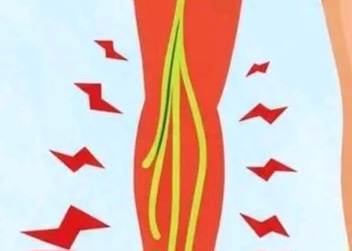
Sciatic pain can feel sharp, burning, tingling, or aching as it travels from the lower back down through the leg. It happens when the sciatic nerve becomes irritated or compressed. For some people, the pain is mild and temporary, while for others it can interfere with walking, sitting, sleeping, or daily activities.The good news is that many cases of sciatica improve with time, gentle movement, and healthy lifestyle habits.What Is Sciatica?The sciatic nerve is the largest nerve in the body. It runs from the lower spine through the hips and down each leg.Sciatica usually affects one side of the body and may cause:Lower back painPain down the buttock or legTingling or numbnessMuscle weaknessBurning sensationsPain that worsens when sittingCommon Causes of Sciatic PainSciatica can be linked to:Herniated discsPoor postureMuscle tightnessSpinal narrowingLong periods of sittingHeavy liftingInjury or inflammationStep-by-Step Guide to Relieving Sciatic Pain1. Keep Moving GentlyComplete bed rest may actually make sciatica worse.Gentle movement can help improve circulation and reduce stiffness.Helpful ActivitiesShort walksLight stretchingGentle yogaSwimmingAvoid sudden twisting or heavy lifting.2. Try Gentle Sciatic StretchesStretching may help reduce pressure around the sciatic nerve.Knee-to-Chest StretchHow to Do ItLie on your backPull one knee gently toward your chestHold for 20–30 secondsRepeat on the other sideSeated Piriformis StretchInstructionsSit in a chairPlace one ankle over the opposite kneeLean forward slowlyHold for 20 secondsStop immediately if pain becomes severe.3. Use Heat or Cold TherapyCold PacksHelpful during the first 48 hours to reduce inflammation.Heat TherapyWarm compresses or heating pads may relax tight muscles afterward.Use each for about 15–20 minutes at a time.4. Improve PosturePoor posture can place extra pressure on the lower back.Helpful TipsSit with lower back supportAvoid slouchingKeep feet flat on the floorTake standing breaks regularly5. Sleep in Supportive PositionsSleeping posture can affect sciatic pain.Better Sleeping PositionsOn your side with a pillow between the kneesOn your back with a pillow under the kneesA supportive mattress may also help.6. Stay Physically ActiveWeak core and back muscles may contribute to recurring discomfort.Gentle strengthening exercises may support spinal stability over time.Natural Habits That May Support RecoverySome people also find relief from:Staying hydratedMaintaining a healthy weightEating anti-inflammatory foodsReducing stressPracticing relaxation exercisesWhen to See a DoctorSeek medical attention if you experience:Severe weaknessLoss of bladder or bowel controlSudden numbnessPain after a serious injurySymptoms lasting several weeksThese may indicate a more serious condition.Important ReminderThere is no instant “miracle cure” for sciatica. Recovery often requires patience, movement, and proper care. Many people improve with conservative treatments, but persistent or severe symptoms should always be evaluated by a healthcare professional.Final ThoughtsSciatic pain can be frustrating, but many people find relief through gentle stretching, improved posture, movement, and healthy daily habits. Listening to your body and avoiding strain are important steps toward long-term comfort and recovery.
How to End Sciatic Pain: The Complete Guide to Effective Relief