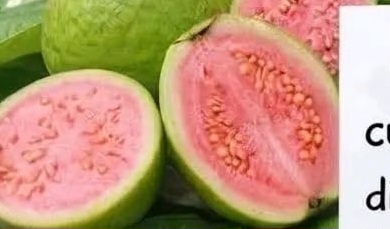
Guava leaves have been used traditionally in different cultures to prepare herbal tea, and today they are attracting attention from people looking for natural ways to support their health. The leaves contain plant compounds such as antioxidants, which is one reason guava leaf tea is often included in discussions about healthy diets, blood sugar management, blood pressure, digestion, and overall wellness.However, claims that guava leaves can cure diabetes, high blood pressure, poor circulation, or cancer without medication are not supported by reliable medical evidence. These conditions can be serious, and replacing prescribed treatment with an herbal remedy can be dangerous. Guava leaf tea can be enjoyed as a traditional beverage, but it should be considered a complement to a healthy lifestyle rather than a cure.To prepare a simple guava leaf tea, start by choosing several fresh, healthy-looking guava leaves. Wash them thoroughly under running water to remove dirt and other residues. Place the cleaned leaves in a small saucepan with approximately two cups of water.Bring the water to a gentle boil and allow the leaves to simmer for about 10 minutes. Turn off the heat and let the tea cool for several minutes. Strain the liquid into a cup and drink it while warm or allow it to cool completely.For a simple version, avoid adding large amounts of sugar. This is particularly important for people who are monitoring their blood glucose levels or following a diabetes-friendly diet. If you prefer a sweeter taste, consider using a small amount of a suitable sweetener according to your dietary needs.Guava leaf tea may provide antioxidants and other plant compounds, but drinking it does not mean that blood sugar will automatically return to normal or that high blood pressure will disappear. Diabetes management usually involves appropriate nutrition, physical activity, regular blood glucose monitoring, and medication when prescribed by a healthcare professional.The same principle applies to high blood pressure. A person can have dangerously elevated blood pressure without obvious symptoms. Regular blood pressure monitoring and appropriate medical care are much more reliable than relying on a herbal drink.People who experience poor circulation should also take their symptoms seriously. Cold feet, persistent numbness, swelling, skin color changes, or pain when walking can sometimes indicate an underlying cardiovascular or vascular problem that deserves professional evaluation.Cancer requires particular caution. There is currently no evidence that drinking guava leaf tea can eliminate cancer cells or replace cancer treatment. Anyone diagnosed with cancer should follow the treatment plan recommended by their oncology team and discuss any herbal products with their healthcare professional before using them.One of the most useful ways to think about guava leaf tea is as part of a healthy lifestyle rather than as a miracle medicine. A balanced diet rich in vegetables and fruits, regular physical activity, adequate sleep, maintaining a healthy weight, avoiding tobacco, and keeping conditions such as diabetes and high blood pressure under control can have a much greater impact on long-term health.If you take prescription medication for diabetes, hypertension, heart disease, or another chronic condition, do not stop your medication because you begin drinking herbal tea. Some herbs can also interact with medications or potentially influence blood sugar or blood pressure.A simple cup of guava leaf tea can therefore be enjoyed as a traditional herbal beverage, but it should not be advertised as a treatment for every disease. Natural does not automatically mean harmless, and effective health care often combines healthy habits with appropriate medical treatment.For anyone interested in natural approaches to wellness, the safest strategy is to use traditional foods and herbal beverages as supportive parts of a healthy routine while continuing regular health checks, blood pressure monitoring, blood sugar testing when appropriate, and professional medical care. This approach allows you to enjoy traditional remedies without putting your health at unnecessary risk.
Guava Leaves Tea: What It Can and Cannot Do for Your Health