
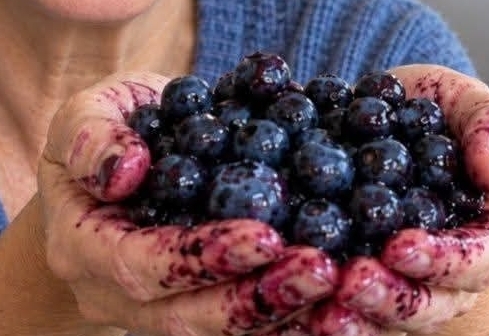
The fruit shown appears to be blueberries. Blueberries are a nutritious source of antioxidants, including anthocyanins, and they can certainly be part of a healthy diet that supports overall eye health.
However, the claim that blueberries—or any other fruit—can erase cataracts within 12 hours or reverse cataracts without surgery is not supported by medical evidence.
🫐 Why blueberries are still worth eating
Blueberries provide:
- Anthocyanins and other antioxidants
- Vitamin C
- Dietary fiber
- A variety of plant compounds that contribute to a healthy diet
Eating fruit regularly can be part of an overall eating pattern that supports cardiovascular and general health, which is also relevant to maintaining healthy eyes.
👁️ What actually happens with cataracts?
A cataract occurs when the normally clear lens inside the eye becomes cloudy. As it progresses, it can cause:
- Blurred or cloudy vision
- Glare and increased sensitivity to bright lights
- Difficulty seeing at night
- Faded or less vivid colors
- Frequent changes in glasses prescription
Food cannot dissolve or remove an established cataract in 12 hours.
When a cataract significantly interferes with daily activities, the established treatment is cataract surgery, in which the cloudy natural lens is removed and replaced with an artificial lens.
A simple way to include blueberries
For a nutritious snack, try:
Ingredients
- ½–1 cup fresh or frozen blueberries
- Plain Greek yogurt
- A small handful of walnuts
- Optional: a little cinnamon
Combine everything and enjoy as part of breakfast or a snack.
This can be a healthy food choice, but it should not be used instead of an eye examination or recommended cataract treatment.
Bottom line: blueberries can support a nutritious, eye-friendly diet, but there is no fruit that has been shown to make cataracts disappear in 12 hours.