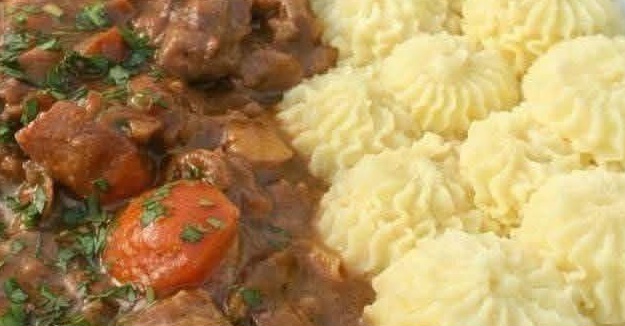
Hasenpfeffer is a traditional German rabbit stew made with a strong red wine and vinegar marinade, warm spices, and slow braising. This dish is known for its rich, tangy sauce and tender pieces of rabbit that absorb deep flavor during a long marination.This hasenpfeffer recipe is ideal for cold weather, Sunday meals, or when you want a true German rabbit stew prepared in the classic way. With careful marinating and slow cooking, the result is comforting, bold, and satisfying.Why You’ll Love This Hasenpfeffer RecipeThis authentic hasenpfeffer brings traditional German cooking into your kitchen using simple, reliable techniques.Here’s why it works so well:The long red wine marinade tenderizes the rabbit and builds deep flavorClassic spices like juniper berries and cloves create a balanced tasteSlow braising makes the meat soft and juicyThe sauce thickens naturally with crushed gingersnaps for traditional textureIt pairs perfectly with German sides like Klöße and SpätzleThis recipe follows time-tested methods that deliver consistent results.What Is Hasenpfeffer?Hasenpfeffer is a traditional German rabbit stew with roots in medieval hunting culture. In the past, hunters used wine, vinegar, and spices to preserve and tenderize wild game. Over time, this method became a respected cooking technique rather than only preservation.The name comes from German words meaning “hare” and “pepper.” Today, rabbit is most commonly used. The defining feature of authentic hasenpfeffer is the long red wine and vinegar marinade, which gives the stew its tangy, complex flavor.This classic version includes juniper berries, bay leaves, cloves, and allspice. The sauce is traditionally thickened with crushed Lebkuchen or plain gingersnaps, giving it body and a gentle spice note.Necessary EquipmentYou need a few sturdy kitchen tools for best results:Large glass or ceramic bowl (for marinating)Heavy Dutch oven or thick-bottomed potFine mesh strainerWooden spoonSharp chef’s knifeMeasuring scale and spoonsA heavy Dutch oven matters most because it keeps steady, even heat during braising, which ensures tender meat and prevents scorching.Fried rabbit for HasenpfefferFried rabbit for HasenpfefferKey Ingredients & SubstitutionsThese ingredients define an authentic hasenpfeffer recipe.Rabbit (1.5 kg, cut into pieces)Rabbit is lean, mild, and slightly sweet. It absorbs marinade very well and becomes tender when braised slowly.Choose fresh rabbit from a butcher or trusted supplier. The meat should be pale pink and firm.Preparation: Cut into serving pieces if not already portioned. Leave bones in for flavor.Acceptable substitution: Hare (traditional), or squirrel if rabbit is unavailable.Unacceptable substitution: Chicken changes the character of the dish and does not provide the same flavor.Dry Red Wine (750 ml)Red wine forms the base of the marinade. It adds depth, acidity, and color.Choose a dry wine such as Pinot Noir or a simple German red. Avoid sweet wines.Preparation: Use room temperature wine.Acceptable substitution: Another dry red wine.Unacceptable substitution: White wine, as it changes the flavor profile too much.Red Wine Vinegar (120 ml)Vinegar provides the sharp tang that defines this German rabbit stew. It also helps tenderize the meat.Use good quality red wine vinegar with clean acidity.Acceptable substitution: Apple cider vinegar in small amounts.Unacceptable substitution: Balsamic vinegar, which is too sweet.Onion, Carrot, and Celery (Mirepoix)These vegetables build the base flavor during marination and braising.Use fresh, firm vegetables. Chop into medium pieces for even flavor release.Acceptable substitution: Leek instead of onion.Unacceptable substitution: Skipping vegetables completely.Juniper Berries (8–10 berries)Juniper berries give a classic game flavor. They add pine-like freshness and slight bitterness.Lightly crush before using to release aroma.Acceptable substitution: None for authentic hasenpfeffer.Unacceptable substitution: Leaving them out removes traditional character.Bay Leaves (3 leaves)Bay leaves add subtle herbal depth during marination and cooking.Use dried whole leaves.Acceptable substitution: None preferred.Unacceptable substitution: Ground bay powder.Cloves (4 whole) and Allspice (6 berries)These warm spices provide gentle heat and complexity.Use whole spices to prevent bitterness.Acceptable substitution: A small pinch of ground spices if necessary.Unacceptable substitution: Increasing quantity too much, which overwhelms the stew.Gingersnaps (40 g, crushed)Crushed plain gingersnaps or Lebkuchen thicken the sauce and add light spice.Use simple, not heavily iced cookies.Acceptable substitution: Rye bread crumbs for thickening only.Unacceptable substitution: Cornstarch for authentic preparation.Hasenpfeffer Rabbit Stew in a pot.Hasenpfeffer Rabbit StewHow to Make HasenpfefferThis recipe requireslong marination is essential for authentic flavor.Step 1: Prepare the MarinadeIn a large bowl, combine red wine, red wine vinegar, chopped onion, carrot, celery, crushed juniper berries, bay leaves, cloves, and allspice. Stir well.Step 2: Marinate the Rabbit (2–3 Days)Place rabbit pieces fully submerged in the marinade. Cover and refrigerate for 48 to 72 hours. Turn pieces once daily to ensure even exposure.The meat will darken slightly and absorb flavor. If any pieces rise above liquid, press them down.Step 3: Strain and DryRemove rabbit from marinade. Pat dry with paper towels. Strain marinade and reserve liquid and vegetables separately.Drying is important to achieve good browning.Step 4: Brown the RabbitHeat 2 tablespoons of neutral oil in a Dutch oven over medium heat. Brown rabbit pieces in batches for 4–5 minutes per side.The surface should become golden brown, not burned. Lower heat if darkening too fast.Step 5: Cook the VegetablesAdd reserved vegetables to the pot. Cook over medium heat for 5–7 minutes until softened and lightly caramelized.If sticking occurs, add a small splash of reserved marinade.Step 6: Braise SlowlyReturn rabbit to the pot. Pour strained marinade over meat. Bring to a gentle simmer over medium heat.Reduce to low heat, cover, and braise for 90–120 minutes. The meat should become fork-tender but not falling apart.Step 7: Adjust SeasoningTaste the liquid halfway through cooking. Add salt gradually. The sauce should taste balanced between tangy and savory.If too sharp, allow longer simmering to soften acidity.Step 8: Thicken with GingersnapsCrush gingersnaps finely. Stir into simmering sauce during final 20 minutes of cooking.The sauce will gradually thicken. Stir gently to prevent lumps.Step 9: Rest Before ServingRemove from heat and let rest uncovered for 10–15 minutes. This allows flavors to settle and sauce to thicken slightly more.Tips for the Best HasenpfefferMarinate at least 48 hours for proper flavorAlways brown meat well before braisingKeep heat low during braising to prevent toughnessTaste sauce before thickening to adjust saltCrush gingersnaps very fine for smooth textureDo not rush the resting periodServing SuggestionsHasenpfeffer is traditionally served with German side dishes that absorb the rich sauce. A portion of 250–300 g rabbit per person is ideal.I love to serve it with creamy mashed potatoes, boiled potatoes, or sometimes just bread.Potato dumplings (Kartoffelklöße) is also classic pairing. Their soft texture holds the sauce well. Spätzle is another excellent option, especially when lightly buttered. Braised red cabbage adds sweetness that balances the tangy stew.Serve hot in deep plates with plenty of sauce spooned over the sides.Make-Ahead and StorageThis stew improves with time.Refrigerate: up to 3 daysFreeze: up to 3 monthsReheat gently over low heat until warmed through, adding a small splash of water if needed.Hasenpfeffer (Traditional German Rabbit Stew)Hasenpfeffer (Traditional German Rabbit Stew)FAQWhat does hasenpfeffer taste like?It has a rich, tangy flavor from the wine and vinegar marinade. The spices add warmth, and the sauce is slightly sweet from gingersnaps.How long should I marinate the rabbit?Marinate for 48 to 72 hours. Two full days is the minimum for proper flavor and tenderness.Can I use squirrel instead of rabbit?Yes, squirrel can be used as a substitute. The cooking method stays the same, but flavor will be slightly stronger.Can I make slow cooker hasenpfeffer?Yes, after marinating and browning, cook on low for 6–8 hours. Add crushed gingersnaps during the last 30 minutes.Why is my stew too sour?Allow it to simmer longer to soften acidity. You can also add a small pinch of sugar if needed.
Authentic Hasenpfeffer Recipe (Traditional German Rabbit Stew)