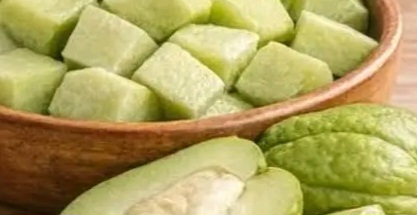
What is Chayote?Chayote, scientifically known as Sechium edule, is a fascinating fruit often used and prepared as a vegetable. Originating from Mesoamerica, it belongs to the gourd family, alongside cucumbers, melons, and squash. Its mild flavor and firm texture make it incredibly versatile in the kitchen, suitable for both savory and sweet dishes. Chayote is typically pear-shaped, light green, and can have smooth or prickly skin. Inside, it contains a single large seed, which is also edible.Beyond its culinary uses, chayote has been a staple in traditional medicine for centuries. Its nutritional profile includes a good source of vitamins, minerals, and dietary fiber, contributing to its reputation as a health-promoting food. Many cultures, particularly in Latin America and Asia, incorporate chayote into their diets not just for taste but for its perceived medicinal properties.Nutritional Profile of ChayoteChayote is a powerhouse of nutrients, especially considering its low calorie count. It’s rich in essential vitamins and minerals that are crucial for overall health:Vitamins: It contains Vitamin C, an antioxidant vital for immune function and skin health; several B vitamins (B1, B2, B6, folate), which are important for energy metabolism and nerve function; and Vitamin K, necessary for blood clotting and bone health.Minerals: Chayote provides potassium, which helps regulate blood pressure; magnesium, involved in muscle and nerve function; and manganese, an important antioxidant.Fiber: High in dietary fiber, chayote aids in digestion, promotes satiety, and can help regulate blood sugar levels.Antioxidants: It contains various antioxidants, including flavonoids and phenolic compounds, which help combat oxidative stress and inflammation in the body.This robust nutritional profile makes chayote a valuable addition to any diet, offering a wide range of health benefits without adding excessive calories.Potential Health Benefits of ChayoteThe traditional use of chayote in various cultures aligns with modern understanding of its nutritional value. While scientific research is ongoing, many potential benefits are attributed to regular chayote consumption:Supports Cardiovascular HealthChayote’s high potassium content can help manage blood pressure, a key factor in cardiovascular health. Additionally, its fiber can contribute to lowering cholesterol levels by reducing the absorption of dietary cholesterol in the gut. Some studies suggest that compounds in chayote may also help improve circulation, further supporting heart health.Aids in Blood Sugar RegulationThe fiber in chayote plays a significant role in stabilizing blood sugar levels. It slows down the absorption of sugars, preventing rapid spikes after meals. This makes chayote a beneficial food for individuals looking to manage or prevent type 2 diabetes.Promotes Digestive HealthWith its rich fiber content, chayote supports a healthy digestive system. Fiber adds bulk to stool, facilitating regular bowel movements and helping to prevent constipation. A healthy gut microbiome is also encouraged by dietary fiber, contributing to overall well-being.Anti-inflammatory and Antioxidant PropertiesChayote is packed with antioxidants like Vitamin C and various phenolic compounds. These substances help neutralize free radicals in the body, reducing oxidative stress and inflammation. Chronic inflammation is linked to numerous health issues, including joint pain and certain chronic diseases, making chayote a valuable anti-inflammatory food.May Help with Weight ManagementDue to its high water and fiber content and low calorie count, chayote can be an excellent food for weight management. It promotes a feeling of fullness, which can reduce overall calorie intake and support healthy weight loss or maintenance.Supports Bone HealthChayote contains Vitamin K and manganese, both of which are important for bone health. Vitamin K is crucial for bone mineralization, while manganese plays a role in bone formation and maintaining bone density.How to Incorporate Chayote into Your DietChayote’s mild flavor and versatile texture make it easy to add to a variety of dishes. Here are some popular ways to enjoy it:Raw: Thinly sliced or grated, chayote can be added to salads for a crisp texture.Cooked: It can be boiled, steamed, baked, fried, or roasted. It absorbs flavors well, making it a great addition to stir-fries, stews, and soups.Juices and Smoothies: As seen in traditional practices, chayote can be blended into green juices or smoothies for a refreshing and nutritious drink. Its mild taste won’t overpower other ingredients.Stuffed: Halved chayote can be scooped out, filled with a savory mixture (like ground meat or vegetables), and baked.Desserts: In some cultures, chayote is candied or used in sweet preparations due to its subtle sweetness when cooked.When preparing chayote, remember to wash it thoroughly. The skin is usually edible, especially if young and tender, but can be peeled if preferred. The single seed inside is also edible and often cooked along with the flesh.Considerations and Best PracticesWhile chayote is generally considered safe and healthy for most people, it’s always wise to consume it as part of a balanced diet. If you have specific health conditions or are on medication, consult with a healthcare professional before making significant dietary changes. This article provides general information and should not be considered medical advice.Buying and Storing ChayoteLook for chayote that is firm, unblemished, and has a vibrant green color. Avoid any with soft spots or wrinkles. Store whole chayote in the refrigerator for up to several weeks. Once cut, wrap it tightly and use within a few days.Frequently Asked Questions About ChayoteQ: Can chayote help with joint pain?A: While chayote’s anti-inflammatory properties may help reduce overall inflammation in the body, which can contribute to joint discomfort, it is not a direct treatment for specific joint conditions. Always consult a healthcare professional for chronic pain.Q: Is chayote suitable for diabetic individuals?A: Yes, chayote’s high fiber content can help regulate blood sugar levels, making it a good choice for individuals managing diabetes. However, it should be consumed as part of a balanced diet and under medical guidance.Q: What does chayote taste like?A: Chayote has a very mild, slightly sweet taste, often compared to a cross between a cucumber and a zucchini. Its subtle flavor allows it to easily absorb the tastes of other ingredients in a dish.Q: Can I eat chayote raw?A: Absolutely! Young chayote can be thinly sliced or grated and added to salads for a refreshing crunch.Final ThoughtsChayote is a remarkably versatile and nutrient-dense fruit that offers a range of potential health benefits, from supporting heart health and digestion to providing valuable antioxidants. Incorporating this humble gourd into your diet, whether in a refreshing green juice or a hearty stew, is a delicious way to boost your nutritional intake and explore the wellness traditions that have valued chayote for generations.
Exploring the Potential Health Benefits of Chayote