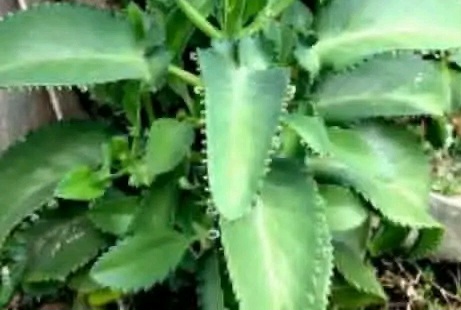
What is Kalanchoe Pinnata (Mother of Thousands)?Kalanchoe pinnata, commonly known as the Mother of Thousands, Cathedral Bells, or Life Plant, is a fascinating succulent native to Madagascar. This plant is renowned for its distinctive reproductive strategy: it produces tiny plantlets along the margins of its leaves. These miniature plants, genetically identical to the parent, eventually drop off and root in the surrounding soil, leading to its prolific spread and the moniker “Mother of Thousands.”Visually, Kalanchoe pinnata features thick, fleshy green leaves with serrated edges. These leaves are typically oblong or oval-shaped, and their succulent nature allows the plant to store water, making it resilient in various environments. The plantlets, visible as small, often reddish-tinged buds along the leaf margins, are a defining characteristic and a marvel of natural propagation.Botanical Characteristics and GrowthKalanchoe pinnata is a perennial succulent that can grow quite large under optimal conditions, often reaching heights of several feet. It thrives in warm climates and well-draining soil, similar to many other succulents. While it can produce bell-shaped flowers, its primary appeal and method of spread are through its abundant plantlets.Traditional Uses and Modern PerspectivesHistorically, various cultures have used Kalanchoe pinnata in traditional medicine for a range of ailments. Folk remedies often involve crushing the leaves to make poultices or infusions. These traditional applications are rooted in centuries of observation and anecdotal evidence, with the plant being used for everything from wound healing to anti-inflammatory purposes.However, it is crucial to understand that traditional uses do not equate to scientific validation. While some preliminary scientific studies have explored certain compounds within Kalanchoe pinnata for potential medicinal properties, these studies are often conducted in laboratories or on animals and do not provide definitive evidence for human health benefits, particularly for serious conditions like diabetes, cancer, or hypertension.Important Considerations and SafetyThe image accompanying this article makes significant claims about Kalanchoe pinnata’s ability to “eliminate diabetes, cancer, fatty liver problems, poor circulation and hypertension without pills.” It is vital to approach such claims with extreme caution. There is no scientific consensus or sufficient clinical evidence to support these broad medical assertions. Relying on Kalanchoe pinnata as a sole treatment for serious medical conditions can be dangerous and may lead to adverse health outcomes by delaying or replacing proven medical care.Consult a Healthcare ProfessionalIf you are managing conditions like diabetes, cancer, fatty liver problems, poor circulation, or hypertension, it is imperative to consult with a qualified healthcare professional. Medical conditions require evidence-based treatments, and self-treating with unverified remedies can pose significant risks. Your doctor can provide an accurate diagnosis, recommend appropriate treatments, and monitor your health effectively.Toxicity ConcernsIt’s also important to note that some Kalanchoe species are known to be toxic, particularly to pets, and can cause adverse reactions if ingested. While Kalanchoe pinnata is sometimes used in traditional practices, its safety profile for internal consumption, especially in concentrated forms or large quantities, is not well-established for all individuals. Always exercise caution and seek professional medical advice before considering any plant-based remedies, particularly for serious health issues.Cultivating Kalanchoe Pinnata at HomeFor those interested in gardening, Kalanchoe pinnata is a relatively easy plant to grow, especially in warm climates. Its unique propagation method makes it a fascinating addition to a succulent collection. Here are some tips for cultivation:Light: Prefers bright, indirect light. Can tolerate some direct sun but may get scorched in intense heat.Soil: Requires well-draining soil, such as a cactus or succulent mix.Watering: Water thoroughly when the soil is dry to the touch, then allow it to dry out completely before watering again. Overwatering can lead to root rot.Temperature: Thrives in warm temperatures; protect from frost.Propagation: Simply place the plantlets that fall from the leaves onto moist soil, and they will readily root.While it’s enjoyable to grow and observe this plant, its primary role in a home setting should be ornamental rather than medicinal, given the lack of scientific evidence for the health claims made.Frequently Asked Questions About Kalanchoe PinnataIs Kalanchoe pinnata safe to consume?While Kalanchoe pinnata has traditional uses, its safety for human consumption, particularly for treating serious illnesses, is not scientifically proven. Consultation with a healthcare professional is strongly advised before ingesting any part of the plant.Can Kalanchoe pinnata cure serious diseases like cancer or diabetes?There is no scientific evidence to support claims that Kalanchoe pinnata can cure serious diseases such as cancer, diabetes, fatty liver problems, poor circulation, or hypertension. These claims are unsubstantiated and potentially harmful if they lead individuals to forgo conventional medical treatment.What are the common names for Kalanchoe pinnata?Kalanchoe pinnata is widely known as Mother of Thousands, Mother of Millions, Cathedral Bells, Life Plant, and Miracle Leaf, among others.How does Kalanchoe pinnata reproduce?Kalanchoe pinnata primarily reproduces asexually through plantlets that form along the margins of its leaves. These small, fully formed plants drop off and root in the soil, quickly growing into new individuals.Is Kalanchoe pinnata toxic to pets?Yes, some Kalanchoe species, including Kalanchoe pinnata, can be toxic to pets if ingested. Symptoms can range from gastrointestinal upset to more severe issues. It’s best to keep the plant out of reach of animals.Final ThoughtsKalanchoe pinnata is an intriguing plant known for its unique appearance and prolific propagation. While it holds a place in traditional practices, it is critical to distinguish between anecdotal tradition and scientifically proven medical efficacy. For serious health conditions, always rely on the advice and treatment plans provided by qualified healthcare professionals. Enjoy Kalanchoe pinnata for its botanical beauty, but be wary of unsupported medical claims.
Kalanchoe Pinnata: Understanding the Mother of Thousands Plant