
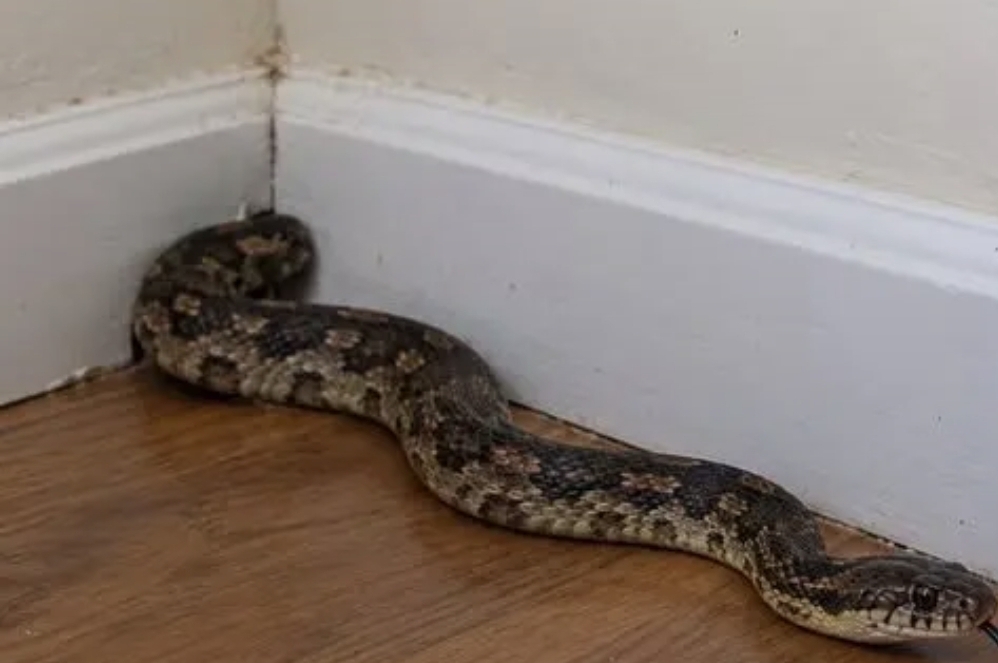
Finding a snake in your yard, garden, garage, or near your front door can be an unsettling experience. Even if the snake is harmless, its unexpected appearance may cause alarm, especially when children or pets are nearby. For homeowners, the natural reaction is to look for ways to discourage snakes from entering the property in the first place.One popular suggestion is to use strong smells that snakes may find unpleasant. Garlic, cinnamon, peppermint, vinegar, and several other substances are frequently mentioned as natural snake deterrents. The idea is simple: create an environment that snakes are less likely to explore, without relying on traps or potentially dangerous chemicals.But how effective are these scents in reality?Snakes have a highly developed chemical-sensing system. They frequently flick their tongues to collect tiny particles from the air and surrounding surfaces, then transfer those particles to a specialized sensory organ in the roof of the mouth. This helps them gather information about prey, potential predators, mates, and their surroundings.However, there is limited scientific evidence that household scents reliably repel snakes or prevent them from entering a property. A strong smell that humans find unpleasant does not necessarily discourage a snake, and different species may respond differently to the same substance.That does not mean homeowners have no options. Certain scents can be explored as supplementary measures, provided they are used safely and without replacing proven prevention methods. The most reliable approach is to remove the conditions that attract snakes, seal potential entry points, and maintain a yard that offers fewer hiding places.Here are 10 commonly discussed scents, what is known about them, and how to approach snake prevention more effectively.Đây là loại mùi đến rắn độc cũng sợ hãi: Dân gian dùng từ lâu nhưng cực kỳ nguy hiểm nếu làm sai1. Garlic: A Strong-Smelling Ingredient Worth UnderstandingGarlic is one of the most frequently mentioned natural remedies for keeping snakes away. Its strong aroma comes from sulfur-containing compounds released when the cloves are crushed or cut.Some homeowners believe that spreading crushed garlic around garden beds, fences, or the perimeter of a house will make the area less attractive to snakes.The theory is that the strong odor may interfere with the sensory information snakes collect from their surroundings. However, there is not enough reliable evidence to conclude that ordinary garlic reliably repels snakes in real-world residential settings.Garlic also loses its smell over time, particularly when exposed to rain, sunlight, and outdoor air. A few cloves placed near a doorway are therefore unlikely to provide dependable protection.How to approach garlic safelyIf you want to experiment with garlic as a supplementary garden measure, avoid scattering large quantities where pets or wildlife may eat them. Garlic can be harmful to dogs and cats when ingested in sufficient amounts.Do not rely on garlic to protect children, pets, or frequently used outdoor areas from snakes.Instead, concentrate on removing dense weeds, keeping stored materials away from walls, and eliminating rodents that may attract snakes looking for food.The key point: Garlic has a noticeable smell, but its effectiveness as a snake repellent has not been firmly established.2. Cinnamon: A Fragrant Spice With Uncertain ResultsCinnamon is another substance often recommended in discussions about natural snake deterrents.Its warm, distinctive aroma comes from compounds found in cinnamon bark, including cinnamaldehyde. Cinnamon oil is also used in fragrances, household products, and some pest-control formulations.Because snakes rely on chemical cues to explore their environment, some people assume that a concentrated cinnamon smell will discourage them from approaching a property.However, evidence supporting cinnamon as a reliable snake repellent remains limited. Results from experiments involving other animals or insect pests cannot automatically be applied to snakes.Sprinkling cinnamon powder around a yard may also be impractical. Wind and rain can quickly disperse it, while repeated application can become inconvenient.Should you use cinnamon around your property?Cinnamon can be used as a household spice, but it should not be treated as a proven method of snake control.Avoid applying concentrated cinnamon essential oil directly to animals, children’s skin, or areas where pets may lick it. Essential oils can cause irritation or other adverse effects depending on the substance, concentration, and exposure.If snakes regularly appear near your home, you will generally achieve more dependable results by addressing their access routes, hiding places, and food sources.3. Peppermint: Popular for Household Pest ControlPeppermint has a powerful, refreshing smell that many people associate with natural pest control.Peppermint oil contains menthol and other aromatic compounds. It is often promoted as a way to discourage insects and rodents, leading some homeowners to believe it may also keep snakes away.The problem is that a substance effective against one type of pest is not necessarily effective against another.There is insufficient evidence that peppermint oil reliably prevents snakes from entering gardens, garages, sheds, or houses. A strong mint scent should not be considered a protective barrier.Important precautionsEssential oils are highly concentrated. Peppermint oil can irritate the skin and respiratory tract, and concentrated products may be hazardous to pets, particularly if ingested or improperly applied.Never pour essential oils into areas where children or animals could easily contact them. Avoid spraying concentrated oil into enclosed spaces or using it around wildlife without understanding the risks.If you enjoy the smell of peppermint, you can use it for ordinary fragrance purposes, but do not depend on it to protect your property from snakes.A securely maintained building and a well-managed yard remain much more practical prevention measures.4. Vinegar: A Common Household Product With Limited EvidenceVinegar is widely used in cooking and household cleaning. Its sharp odor comes primarily from acetic acid.Some online remedies recommend pouring vinegar around pools, patios, gardens, or the edges of a property to create a smell that snakes supposedly avoid.There is no strong evidence that pouring ordinary household vinegar around a property creates a reliable snake barrier.Outdoor vinegar also presents practical problems. Rain dilutes it, and sunlight and airflow reduce the persistence of its odor. Repeatedly pouring it onto soil can affect nearby plants and soil organisms, particularly when used in concentrated amounts.Vinegar can also damage certain surfaces and irritate the eyes or skin, especially in stronger concentrations.A better way to use vinegarUse vinegar for appropriate cleaning tasks rather than as your primary snake-control strategy.Never mix vinegar with bleach or bleach-containing cleaners, because doing so can release dangerous chlorine gas.If you are concerned about snakes around a patio or garden, remove debris, keep vegetation under control, and inspect nearby structures for openings.These measures address the physical conditions that allow snakes to shelter near a home instead of relying on an odor that may have little or no effect.5. Clove: A Powerful Aroma That Is Not a Proven Snake BarrierCloves are known for their intense, warm fragrance. They contain eugenol, an aromatic compound also found in clove essential oil.Because the scent is strong, cloves are sometimes included in homemade recipes intended to discourage snakes and other unwanted animals.However, a strong aroma alone does not demonstrate that a substance will repel snakes. The animal’s species, behavior, environmental conditions, and the concentration of the substance can all affect any response.There is currently insufficient evidence to recommend whole cloves or clove oil as a dependable method of snake prevention.Use clove products cautiouslyClove essential oil is much more concentrated than the spice used in food. It can irritate tissues and may be toxic if swallowed in sufficient quantities. Keep concentrated products away from children and pets.Do not spray clove oil into holes, crevices, or suspected snake shelters. Doing so may disturb an animal without safely removing it, and it could expose people or pets to concentrated chemicals.If you find a snake near your home, keep your distance and allow a trained wildlife professional or local animal-control service to advise you on the appropriate response.6. Lemongrass: A Pleasant Garden Plant, Not a Guaranteed RepellentLemongrass is valued for its citrus-like fragrance and its use in cooking, herbal preparations, and gardening.Its aromatic compounds have been studied for various biological activities, and lemongrass-derived products appear in some insect-repellent applications. However, evidence about insects does not establish that the plant will repel snakes.Planting lemongrass around a garden may be worthwhile if you like its fragrance or want to use it in cooking. It should not be expected to create a dependable protective boundary against snakes.What matters more than the plant itself?Snakes may enter gardens because they offer shelter, water, prey, or convenient routes through the landscape.If a garden contains dense ground cover, piles of leaves, stacked timber, or abundant rodents, planting fragrant herbs is unlikely to solve the underlying problem.You can make the area less attractive as a shelter by keeping grass trimmed, removing unnecessary debris, storing firewood away from the house, and reducing rodent activity.Choose plants according to your climate, soil, and gardening needs. Treat any possible effect on snakes as uncertain rather than guaranteed.7. Eucalyptus: A Strong Scent That Requires Careful HandlingEucalyptus is known for its distinctive medicinal aroma. Eucalyptus oil contains compounds such as eucalyptol, also called 1,8-cineole.The oil is used in some household and personal-care products, and its strong scent has led to claims that it can discourage snakes.However, there is insufficient reliable evidence that eucalyptus leaves or essential oil consistently repel snakes around homes.Even if a particular animal avoids a concentrated odor under certain conditions, that does not mean the smell will prevent snakes from entering a yard when shelter or food is available.Safety comes firstEucalyptus essential oil can be dangerous if swallowed and may cause adverse effects in pets. Concentrated oil should not be poured around pet-accessible areas or applied directly to animals.Avoid using eucalyptus oil as a homemade pesticide, especially in enclosed spaces or near children.If you grow eucalyptus or use eucalyptus-scented products for other purposes, do not assume they provide snake protection.A better strategy is to inspect foundations, doors, vents, and utility openings for gaps that could allow snakes to enter a building.Rắn mũi hếch: Đã giả chết rồi lại còn phát ra mùi hôi thối như xác đang bị phân hủy8. Onion: Another Strong-Smelling Kitchen IngredientOnions release pungent sulfur-containing compounds when cut or crushed. Because the smell can be intense, some people recommend placing chopped onions around gardens or doorways to deter snakes.As with garlic, the idea is that a powerful odor might make the surrounding area less appealing.But there is no convincing evidence that placing chopped onions around a property provides reliable protection against snakes.The odor also fades, and exposed pieces can spoil, attract insects, or become accessible to pets and other animals.Onions are particularly unsuitable for areas where dogs or cats might eat them. Onion ingestion can cause serious health problems in dogs and cats, including damage to red blood cells.Is it worth trying?There is little reason to spread onions around your yard for snake prevention. If you want to grow onions for food, do so for their culinary value rather than expecting them to act as a barrier.Instead, inspect the property for conditions that support snake activity. Rodents, frogs, and other small animals may attract certain snake species, while tall grass and clutter provide places to hide.Managing those conditions is generally more useful than trying to mask the environment with kitchen odors.9. Citronella: Useful for Some Insect-Repellent Products, but Not Proven Against SnakesCitronella is commonly associated with candles, sprays, and products designed to repel certain biting insects.Its characteristic lemon-like aroma comes from volatile compounds in citronella oil. Depending on the formulation, citronella products may help reduce contact with some insects for a limited period.However, snakes are not insects. A product that has a documented role in insect control cannot automatically be assumed to work against reptiles.There is no strong evidence that citronella candles, plants, or oils reliably prevent snakes from approaching a house or entering a garden.Burning citronella candles outdoors may also introduce fire risks, particularly near dry vegetation, wooden structures, or areas accessible to children and pets.What should homeowners do instead?If your goal is to make an outdoor area safer, focus on practical habitat management.Keep pathways clear, remove accumulated leaves and rubbish, and avoid leaving food scraps that attract rodents. Repair gaps around buildings and make sure doors and screens fit properly.Citronella may have a place in certain insect-control strategies, but it should not be presented as a substitute for snake-proofing.10. Ammonia: Why You Should Avoid Homemade Chemical RepellentsAmmonia is sometimes mentioned in online discussions about strong-smelling substances that supposedly repel snakes.Its sharp odor can be unpleasant to humans, but there is no strong evidence that placing ammonia around a property provides reliable snake protection.More importantly, ammonia can be hazardous. Exposure to its vapors can irritate the eyes, skin, and respiratory system, and concentrated products can cause serious chemical injuries.Using ammonia outdoors can also expose children, pets, wildlife, and other people to an unnecessary chemical risk.Do not pour ammonia around your home, spray it into holes, or use it to flush out a snake.Never mix ammonia with bleach or bleach-containing cleaners. The resulting chemical reactions can release toxic gases.A homemade chemical deterrent is not worth the risk when its effectiveness is unproven.If snakes are repeatedly appearing around your property, contact an appropriately trained wildlife or pest-management professional who can assess the situation and recommend lawful, species-appropriate measures.Why Snakes Enter Residential PropertiesUnderstanding why snakes visit a property is more useful than relying on strong smells alone.Snakes generally do not enter a yard because they want to interact with people. They may be passing through, searching for prey, looking for shelter, or seeking a suitable temperature and moisture level.Several features can make a property attractive to them.1. Rodents and Other PreyMice and rats are important food sources for many snake species. A property with abundant rodents may therefore attract snakes searching for a meal.Reducing rodent activity can help make the area less attractive. Store animal feed in secure containers, dispose of rubbish properly, and avoid leaving pet food outside overnight.2. Dense VegetationTall grass, thick ground cover, and overgrown shrubs can provide shelter and make snakes harder to see.Keep grass trimmed around frequently used paths and buildings. Prune vegetation where it obstructs doorways, steps, and outdoor work areas.You do not need to remove every plant from your garden. The goal is to reduce concealed spaces near areas where people regularly walk or work.3. Woodpiles and Outdoor ClutterPiles of timber, old building materials, discarded equipment, and accumulated debris can create cool, sheltered spaces that snakes may use.Store firewood neatly on a raised rack away from the house when practical. Keep storage areas organized, and use caution when moving materials that have been sitting undisturbed for a long time.Wear appropriate footwear and gloves when working outdoors, and never reach blindly into a dark gap or pile of debris.4. Water and Suitable ShelterPonds, irrigation areas, leaking taps, and other damp locations may attract prey animals or provide useful environmental conditions for certain species.Repair leaks where practical, remove standing water that attracts pests, and maintain outdoor structures so that they do not offer easy access to sheltered spaces.Not every snake is attracted to the same conditions, so prevention should reflect the species and habitat found in your region.How to Make Your Home Less Attractive to SnakesInstead of relying on scent alone, use a combination of practical prevention measures.Seal potential entry points. Inspect gaps around doors, foundations, pipes, vents, and utility openings. Use appropriate materials to close openings while maintaining necessary ventilation and drainage.Install suitable door sweeps and screens. Make sure exterior doors close properly and that damaged screens are repaired. Openings should be addressed without blocking essential airflow.Keep outdoor areas tidy. Remove unnecessary debris, maintain vegetation, and organize storage areas so there are fewer undisturbed hiding places close to the home.Manage rodents responsibly. Secure rubbish and food storage, and use safe, appropriate methods to control rodent activity. Avoid poisons that could harm pets or wildlife.Protect frequently used areas. Keep children’s play spaces clear, supervise pets outdoors where snakes may be present, and use a flashlight when walking outside at night.Consider professional advice. If snakes repeatedly appear near a home, a local wildlife specialist can help identify the species, assess access routes, and recommend effective prevention methods.These steps address the physical reasons snakes may visit a property. They are generally more dependable than relying on a particular smell.What to Do If You See a SnakeEven with good prevention, a snake may occasionally appear in a garden or near a building. Knowing how to respond is essential.First, stay calm and keep your distance. Do not attempt to catch, kill, corner, or handle the animal. Some venomous snakes can strike when threatened, and even nonvenomous snakes may bite if handled.Keep children and pets away, and allow the snake an unobstructed route to move away if it can do so safely.If the snake is inside the home, in a high-traffic area, or cannot leave safely, contact local wildlife authorities or a trained snake-removal professional. Do not try to force it out with chemicals, smoke, sticks, or household tools.Avoid relying on the shape of the head, pupil appearance, color, or other simple visual rules to decide whether a snake is venomous. These features can be misleading, and identification errors can have serious consequences.If someone is bitten, seek emergency medical care immediately. Keep the person as still and calm as possible, remove tight jewelry or clothing near the affected limb if swelling may develop, and follow emergency responders’ instructions.Do not cut the wound, attempt to suck out venom, apply a tourniquet, or try to catch the snake for identification. A photograph taken from a safe distance may be useful only if it does not delay treatment or put anyone at risk.Are Commercial Snake Repellents More Effective?Some commercial products are marketed specifically for snake control. Their ingredients and claimed effectiveness vary, and not every product has strong evidence supporting its claims.Before purchasing a repellent, check whether it is registered or approved for the intended use in your jurisdiction, read the label carefully, and look for credible evidence of effectiveness against the relevant snake species.Be cautious of products that promise to eliminate all snakes from a property or claim to create a permanent barrier after a single application.Snakes differ in their behavior, and outdoor conditions can affect how a product performs. Rain, wind, soil type, vegetation, and the availability of prey can all influence results.A product should never replace physical exclusion, habitat management, or professional assistance when needed.If you live in an area where venomous snakes are common, local wildlife authorities may be able to recommend prevention measures that are appropriate for your region.Additional Ways to Reduce the Chances of Snakes Around Your HomeBeyond managing vegetation and removing potential hiding places, a few everyday habits can help reduce unwanted encounters with snakes. These measures are especially useful for homes near forests, fields, waterways, or other natural habitats.Keep Outdoor Storage Areas OrganizedGarages, sheds, and storage spaces can provide shelter for snakes when they contain piles of cardboard, unused equipment, bags, or building materials. These items may create dark, undisturbed spaces where an animal can hide.Arrange stored belongings on shelves whenever possible, leave clear pathways, and avoid allowing clutter to accumulate along walls. Before moving boxes, garden pots, or stored materials that have been sitting untouched for a long time, inspect the area carefully. Wear closed-toe footwear and gloves, and never put your hands into a space you cannot see clearly.If you discover a snake inside a shed or garage, do not attempt to trap it yourself. Keep people and pets away and contact a qualified local professional if the animal does not leave safely.Pay Attention to Gaps Around Fences and BuildingsSnakes can enter many outdoor spaces through small openings at ground level. Gaps beneath gates, damaged vents, spaces around utility pipes, and openings near foundations may provide convenient access.Inspect these areas periodically, particularly after storms or home repairs. Install suitable barriers or repair damaged materials where necessary, making sure that drainage and ventilation remain functional.For homes in areas with frequent snake activity, a properly installed snake-exclusion fence may be worth considering. Its design must suit the local species and terrain, and it requires regular maintenance. No fence can guarantee complete protection, particularly if vegetation, debris, or nearby structures allow snakes to bypass it.Make Your Garden Easier to MaintainA garden does not need to be bare to discourage snakes from sheltering close to your home. The aim is to maintain clear, accessible spaces around entrances, walkways, children’s play areas, and outdoor seating.Trim overgrown vegetation near the house, remove piles of fallen leaves, and keep shrubs from touching exterior walls where practical. If you use decorative rocks, mulch, or dense ground cover, inspect the surrounding area periodically rather than assuming that a tidy-looking garden cannot provide shelter.Good garden maintenance also makes it easier to notice changes, such as rodent activity, shed snake skins, or unexpected movement. These signs do not necessarily mean a dangerous snake is present, but they can indicate that an area deserves closer attention.Rắn rất sợ mùi của 3 loại cây này, trồng ở ban công không phải sợ chúng bò vào nhàTeach Children and Family Members What to DoPrevention works best when everyone in the household understands the same basic safety rules.Teach children never to approach, touch, chase, or throw objects at a snake. If they see one, they should move away calmly and tell an adult. Explain that even a snake that appears small, slow, or harmless should not be handled.Adults should follow the same rules. Trying to kill a snake can provoke a defensive bite and may bring a person closer to danger than simply leaving the animal alone.If you have pets, supervise them in areas where snakes may occur and avoid allowing them to investigate holes, dense vegetation, or piles of outdoor materials.Understand Your Local Snake SpeciesThe snakes found around a home depend on the local environment. Some species are more likely to be encountered near water, while others may be found in gardens, agricultural areas, or wooded landscapes.Learning which species live in your region can help you understand common habitats and appropriate precautions. Local wildlife authorities or qualified specialists may provide reliable identification information and advice tailored to your area.Avoid assuming that every snake is venomous, but never assume an unfamiliar snake is harmless based on color or appearance alone.Ultimately, strong-smelling substances are not a dependable substitute for prevention. The most practical protection comes from reducing shelter, limiting access to buildings, managing potential prey, and responding calmly when a snake appears. These habits can make your property safer while allowing local wildlife to remain in its natural habitat.Final Thoughts: Don’t Rely on Smells AloneGarlic, cinnamon, peppermint, vinegar, cloves, lemongrass, eucalyptus, onions, citronella, and ammonia are frequently discussed as possible ways to keep snakes away.However, none of these household scents should be relied upon as a proven, stand-alone snake repellent. Evidence for their effectiveness is limited, and some substances—particularly concentrated essential oils and ammonia—can pose risks to people, pets, and wildlife.The most effective strategy is to make your property less inviting to snakes by reducing hiding places, controlling rodent activity, maintaining vegetation, and sealing potential entry points.If you choose to experiment with a scent, treat it as a supplementary measure rather than a guarantee. Avoid hazardous chemicals, keep pets and children safe, and never use a homemade mixture to flush out or confront a snake.Remember that snakes play important roles in many ecosystems, including helping control rodent populations. The objective is not necessarily to eliminate them from the surrounding environment, but to reduce the likelihood of unwanted encounters around your home.A safer property starts with prevention, not panic. By understanding why snakes visit residential areas and taking practical steps to limit access and shelter, you can reduce risks more reliably than by relying on strong smells alone.
Finding a snake in your yard, garden, garage, or near your front door can be an unsettling experience. Even if the snake is harmless, its unexpected appearance may cause alarm, especially when children or pets are nearby. For homeowners, the natural reaction is to look for ways to discourage snakes from entering the property in the first place.One popular suggestion is to use strong smells that snakes may find unpleasant. Garlic, cinnamon, peppermint, vinegar, and several other substances are frequently mentioned as natural snake deterrents. The idea is simple: create an environment that snakes are less likely to explore, without relying on traps or potentially dangerous chemicals.But how effective are these scents in reality?Snakes have a highly developed chemical-sensing system. They frequently flick their tongues to collect tiny particles from the air and surrounding surfaces, then transfer those particles to a specialized sensory organ in the roof of the mouth. This helps them gather information about prey, potential predators, mates, and their surroundings.However, there is limited scientific evidence that household scents reliably repel snakes or prevent them from entering a property. A strong smell that humans find unpleasant does not necessarily discourage a snake, and different species may respond differently to the same substance.That does not mean homeowners have no options. Certain scents can be explored as supplementary measures, provided they are used safely and without replacing proven prevention methods. The most reliable approach is to remove the conditions that attract snakes, seal potential entry points, and maintain a yard that offers fewer hiding places.Here are 10 commonly discussed scents, what is known about them, and how to approach snake prevention more effectively.Đây là loại mùi đến rắn độc cũng sợ hãi: Dân gian dùng từ lâu nhưng cực kỳ nguy hiểm nếu làm sai1. Garlic: A Strong-Smelling Ingredient Worth UnderstandingGarlic is one of the most frequently mentioned natural remedies for keeping snakes away. Its strong aroma comes from sulfur-containing compounds released when the cloves are crushed or cut.Some homeowners believe that spreading crushed garlic around garden beds, fences, or the perimeter of a house will make the area less attractive to snakes.The theory is that the strong odor may interfere with the sensory information snakes collect from their surroundings. However, there is not enough reliable evidence to conclude that ordinary garlic reliably repels snakes in real-world residential settings.Garlic also loses its smell over time, particularly when exposed to rain, sunlight, and outdoor air. A few cloves placed near a doorway are therefore unlikely to provide dependable protection.How to approach garlic safelyIf you want to experiment with garlic as a supplementary garden measure, avoid scattering large quantities where pets or wildlife may eat them. Garlic can be harmful to dogs and cats when ingested in sufficient amounts.Do not rely on garlic to protect children, pets, or frequently used outdoor areas from snakes.Instead, concentrate on removing dense weeds, keeping stored materials away from walls, and eliminating rodents that may attract snakes looking for food.The key point: Garlic has a noticeable smell, but its effectiveness as a snake repellent has not been firmly established.2. Cinnamon: A Fragrant Spice With Uncertain ResultsCinnamon is another substance often recommended in discussions about natural snake deterrents.Its warm, distinctive aroma comes from compounds found in cinnamon bark, including cinnamaldehyde. Cinnamon oil is also used in fragrances, household products, and some pest-control formulations.Because snakes rely on chemical cues to explore their environment, some people assume that a concentrated cinnamon smell will discourage them from approaching a property.However, evidence supporting cinnamon as a reliable snake repellent remains limited. Results from experiments involving other animals or insect pests cannot automatically be applied to snakes.Sprinkling cinnamon powder around a yard may also be impractical. Wind and rain can quickly disperse it, while repeated application can become inconvenient.Should you use cinnamon around your property?Cinnamon can be used as a household spice, but it should not be treated as a proven method of snake control.Avoid applying concentrated cinnamon essential oil directly to animals, children’s skin, or areas where pets may lick it. Essential oils can cause irritation or other adverse effects depending on the substance, concentration, and exposure.If snakes regularly appear near your home, you will generally achieve more dependable results by addressing their access routes, hiding places, and food sources.3. Peppermint: Popular for Household Pest ControlPeppermint has a powerful, refreshing smell that many people associate with natural pest control.Peppermint oil contains menthol and other aromatic compounds. It is often promoted as a way to discourage insects and rodents, leading some homeowners to believe it may also keep snakes away.The problem is that a substance effective against one type of pest is not necessarily effective against another.There is insufficient evidence that peppermint oil reliably prevents snakes from entering gardens, garages, sheds, or houses. A strong mint scent should not be considered a protective barrier.Important precautionsEssential oils are highly concentrated. Peppermint oil can irritate the skin and respiratory tract, and concentrated products may be hazardous to pets, particularly if ingested or improperly applied.Never pour essential oils into areas where children or animals could easily contact them. Avoid spraying concentrated oil into enclosed spaces or using it around wildlife without understanding the risks.If you enjoy the smell of peppermint, you can use it for ordinary fragrance purposes, but do not depend on it to protect your property from snakes.A securely maintained building and a well-managed yard remain much more practical prevention measures.4. Vinegar: A Common Household Product With Limited EvidenceVinegar is widely used in cooking and household cleaning. Its sharp odor comes primarily from acetic acid.Some online remedies recommend pouring vinegar around pools, patios, gardens, or the edges of a property to create a smell that snakes supposedly avoid.There is no strong evidence that pouring ordinary household vinegar around a property creates a reliable snake barrier.Outdoor vinegar also presents practical problems. Rain dilutes it, and sunlight and airflow reduce the persistence of its odor. Repeatedly pouring it onto soil can affect nearby plants and soil organisms, particularly when used in concentrated amounts.Vinegar can also damage certain surfaces and irritate the eyes or skin, especially in stronger concentrations.A better way to use vinegarUse vinegar for appropriate cleaning tasks rather than as your primary snake-control strategy.Never mix vinegar with bleach or bleach-containing cleaners, because doing so can release dangerous chlorine gas.If you are concerned about snakes around a patio or garden, remove debris, keep vegetation under control, and inspect nearby structures for openings.These measures address the physical conditions that allow snakes to shelter near a home instead of relying on an odor that may have little or no effect.5. Clove: A Powerful Aroma That Is Not a Proven Snake BarrierCloves are known for their intense, warm fragrance. They contain eugenol, an aromatic compound also found in clove essential oil.Because the scent is strong, cloves are sometimes included in homemade recipes intended to discourage snakes and other unwanted animals.However, a strong aroma alone does not demonstrate that a substance will repel snakes. The animal’s species, behavior, environmental conditions, and the concentration of the substance can all affect any response.There is currently insufficient evidence to recommend whole cloves or clove oil as a dependable method of snake prevention.Use clove products cautiouslyClove essential oil is much more concentrated than the spice used in food. It can irritate tissues and may be toxic if swallowed in sufficient quantities. Keep concentrated products away from children and pets.Do not spray clove oil into holes, crevices, or suspected snake shelters. Doing so may disturb an animal without safely removing it, and it could expose people or pets to concentrated chemicals.If you find a snake near your home, keep your distance and allow a trained wildlife professional or local animal-control service to advise you on the appropriate response.6. Lemongrass: A Pleasant Garden Plant, Not a Guaranteed RepellentLemongrass is valued for its citrus-like fragrance and its use in cooking, herbal preparations, and gardening.Its aromatic compounds have been studied for various biological activities, and lemongrass-derived products appear in some insect-repellent applications. However, evidence about insects does not establish that the plant will repel snakes.Planting lemongrass around a garden may be worthwhile if you like its fragrance or want to use it in cooking. It should not be expected to create a dependable protective boundary against snakes.What matters more than the plant itself?Snakes may enter gardens because they offer shelter, water, prey, or convenient routes through the landscape.If a garden contains dense ground cover, piles of leaves, stacked timber, or abundant rodents, planting fragrant herbs is unlikely to solve the underlying problem.You can make the area less attractive as a shelter by keeping grass trimmed, removing unnecessary debris, storing firewood away from the house, and reducing rodent activity.Choose plants according to your climate, soil, and gardening needs. Treat any possible effect on snakes as uncertain rather than guaranteed.7. Eucalyptus: A Strong Scent That Requires Careful HandlingEucalyptus is known for its distinctive medicinal aroma. Eucalyptus oil contains compounds such as eucalyptol, also called 1,8-cineole.The oil is used in some household and personal-care products, and its strong scent has led to claims that it can discourage snakes.However, there is insufficient reliable evidence that eucalyptus leaves or essential oil consistently repel snakes around homes.Even if a particular animal avoids a concentrated odor under certain conditions, that does not mean the smell will prevent snakes from entering a yard when shelter or food is available.Safety comes firstEucalyptus essential oil can be dangerous if swallowed and may cause adverse effects in pets. Concentrated oil should not be poured around pet-accessible areas or applied directly to animals.Avoid using eucalyptus oil as a homemade pesticide, especially in enclosed spaces or near children.If you grow eucalyptus or use eucalyptus-scented products for other purposes, do not assume they provide snake protection.A better strategy is to inspect foundations, doors, vents, and utility openings for gaps that could allow snakes to enter a building.Rắn mũi hếch: Đã giả chết rồi lại còn phát ra mùi hôi thối như xác đang bị phân hủy8. Onion: Another Strong-Smelling Kitchen IngredientOnions release pungent sulfur-containing compounds when cut or crushed. Because the smell can be intense, some people recommend placing chopped onions around gardens or doorways to deter snakes.As with garlic, the idea is that a powerful odor might make the surrounding area less appealing.But there is no convincing evidence that placing chopped onions around a property provides reliable protection against snakes.The odor also fades, and exposed pieces can spoil, attract insects, or become accessible to pets and other animals.Onions are particularly unsuitable for areas where dogs or cats might eat them. Onion ingestion can cause serious health problems in dogs and cats, including damage to red blood cells.Is it worth trying?There is little reason to spread onions around your yard for snake prevention. If you want to grow onions for food, do so for their culinary value rather than expecting them to act as a barrier.Instead, inspect the property for conditions that support snake activity. Rodents, frogs, and other small animals may attract certain snake species, while tall grass and clutter provide places to hide.Managing those conditions is generally more useful than trying to mask the environment with kitchen odors.9. Citronella: Useful for Some Insect-Repellent Products, but Not Proven Against SnakesCitronella is commonly associated with candles, sprays, and products designed to repel certain biting insects.Its characteristic lemon-like aroma comes from volatile compounds in citronella oil. Depending on the formulation, citronella products may help reduce contact with some insects for a limited period.However, snakes are not insects. A product that has a documented role in insect control cannot automatically be assumed to work against reptiles.There is no strong evidence that citronella candles, plants, or oils reliably prevent snakes from approaching a house or entering a garden.Burning citronella candles outdoors may also introduce fire risks, particularly near dry vegetation, wooden structures, or areas accessible to children and pets.What should homeowners do instead?If your goal is to make an outdoor area safer, focus on practical habitat management.Keep pathways clear, remove accumulated leaves and rubbish, and avoid leaving food scraps that attract rodents. Repair gaps around buildings and make sure doors and screens fit properly.Citronella may have a place in certain insect-control strategies, but it should not be presented as a substitute for snake-proofing.10. Ammonia: Why You Should Avoid Homemade Chemical RepellentsAmmonia is sometimes mentioned in online discussions about strong-smelling substances that supposedly repel snakes.Its sharp odor can be unpleasant to humans, but there is no strong evidence that placing ammonia around a property provides reliable snake protection.More importantly, ammonia can be hazardous. Exposure to its vapors can irritate the eyes, skin, and respiratory system, and concentrated products can cause serious chemical injuries.Using ammonia outdoors can also expose children, pets, wildlife, and other people to an unnecessary chemical risk.Do not pour ammonia around your home, spray it into holes, or use it to flush out a snake.Never mix ammonia with bleach or bleach-containing cleaners. The resulting chemical reactions can release toxic gases.A homemade chemical deterrent is not worth the risk when its effectiveness is unproven.If snakes are repeatedly appearing around your property, contact an appropriately trained wildlife or pest-management professional who can assess the situation and recommend lawful, species-appropriate measures.Why Snakes Enter Residential PropertiesUnderstanding why snakes visit a property is more useful than relying on strong smells alone.Snakes generally do not enter a yard because they want to interact with people. They may be passing through, searching for prey, looking for shelter, or seeking a suitable temperature and moisture level.Several features can make a property attractive to them.1. Rodents and Other PreyMice and rats are important food sources for many snake species. A property with abundant rodents may therefore attract snakes searching for a meal.Reducing rodent activity can help make the area less attractive. Store animal feed in secure containers, dispose of rubbish properly, and avoid leaving pet food outside overnight.2. Dense VegetationTall grass, thick ground cover, and overgrown shrubs can provide shelter and make snakes harder to see.Keep grass trimmed around frequently used paths and buildings. Prune vegetation where it obstructs doorways, steps, and outdoor work areas.You do not need to remove every plant from your garden. The goal is to reduce concealed spaces near areas where people regularly walk or work.3. Woodpiles and Outdoor ClutterPiles of timber, old building materials, discarded equipment, and accumulated debris can create cool, sheltered spaces that snakes may use.Store firewood neatly on a raised rack away from the house when practical. Keep storage areas organized, and use caution when moving materials that have been sitting undisturbed for a long time.Wear appropriate footwear and gloves when working outdoors, and never reach blindly into a dark gap or pile of debris.4. Water and Suitable ShelterPonds, irrigation areas, leaking taps, and other damp locations may attract prey animals or provide useful environmental conditions for certain species.Repair leaks where practical, remove standing water that attracts pests, and maintain outdoor structures so that they do not offer easy access to sheltered spaces.Not every snake is attracted to the same conditions, so prevention should reflect the species and habitat found in your region.How to Make Your Home Less Attractive to SnakesInstead of relying on scent alone, use a combination of practical prevention measures.Seal potential entry points. Inspect gaps around doors, foundations, pipes, vents, and utility openings. Use appropriate materials to close openings while maintaining necessary ventilation and drainage.Install suitable door sweeps and screens. Make sure exterior doors close properly and that damaged screens are repaired. Openings should be addressed without blocking essential airflow.Keep outdoor areas tidy. Remove unnecessary debris, maintain vegetation, and organize storage areas so there are fewer undisturbed hiding places close to the home.Manage rodents responsibly. Secure rubbish and food storage, and use safe, appropriate methods to control rodent activity. Avoid poisons that could harm pets or wildlife.Protect frequently used areas. Keep children’s play spaces clear, supervise pets outdoors where snakes may be present, and use a flashlight when walking outside at night.Consider professional advice. If snakes repeatedly appear near a home, a local wildlife specialist can help identify the species, assess access routes, and recommend effective prevention methods.These steps address the physical reasons snakes may visit a property. They are generally more dependable than relying on a particular smell.What to Do If You See a SnakeEven with good prevention, a snake may occasionally appear in a garden or near a building. Knowing how to respond is essential.First, stay calm and keep your distance. Do not attempt to catch, kill, corner, or handle the animal. Some venomous snakes can strike when threatened, and even nonvenomous snakes may bite if handled.Keep children and pets away, and allow the snake an unobstructed route to move away if it can do so safely.If the snake is inside the home, in a high-traffic area, or cannot leave safely, contact local wildlife authorities or a trained snake-removal professional. Do not try to force it out with chemicals, smoke, sticks, or household tools.Avoid relying on the shape of the head, pupil appearance, color, or other simple visual rules to decide whether a snake is venomous. These features can be misleading, and identification errors can have serious consequences.If someone is bitten, seek emergency medical care immediately. Keep the person as still and calm as possible, remove tight jewelry or clothing near the affected limb if swelling may develop, and follow emergency responders’ instructions.Do not cut the wound, attempt to suck out venom, apply a tourniquet, or try to catch the snake for identification. A photograph taken from a safe distance may be useful only if it does not delay treatment or put anyone at risk.Are Commercial Snake Repellents More Effective?Some commercial products are marketed specifically for snake control. Their ingredients and claimed effectiveness vary, and not every product has strong evidence supporting its claims.Before purchasing a repellent, check whether it is registered or approved for the intended use in your jurisdiction, read the label carefully, and look for credible evidence of effectiveness against the relevant snake species.Be cautious of products that promise to eliminate all snakes from a property or claim to create a permanent barrier after a single application.Snakes differ in their behavior, and outdoor conditions can affect how a product performs. Rain, wind, soil type, vegetation, and the availability of prey can all influence results.A product should never replace physical exclusion, habitat management, or professional assistance when needed.If you live in an area where venomous snakes are common, local wildlife authorities may be able to recommend prevention measures that are appropriate for your region.Additional Ways to Reduce the Chances of Snakes Around Your HomeBeyond managing vegetation and removing potential hiding places, a few everyday habits can help reduce unwanted encounters with snakes. These measures are especially useful for homes near forests, fields, waterways, or other natural habitats.Keep Outdoor Storage Areas OrganizedGarages, sheds, and storage spaces can provide shelter for snakes when they contain piles of cardboard, unused equipment, bags, or building materials. These items may create dark, undisturbed spaces where an animal can hide.Arrange stored belongings on shelves whenever possible, leave clear pathways, and avoid allowing clutter to accumulate along walls. Before moving boxes, garden pots, or stored materials that have been sitting untouched for a long time, inspect the area carefully. Wear closed-toe footwear and gloves, and never put your hands into a space you cannot see clearly.If you discover a snake inside a shed or garage, do not attempt to trap it yourself. Keep people and pets away and contact a qualified local professional if the animal does not leave safely.Pay Attention to Gaps Around Fences and BuildingsSnakes can enter many outdoor spaces through small openings at ground level. Gaps beneath gates, damaged vents, spaces around utility pipes, and openings near foundations may provide convenient access.Inspect these areas periodically, particularly after storms or home repairs. Install suitable barriers or repair damaged materials where necessary, making sure that drainage and ventilation remain functional.For homes in areas with frequent snake activity, a properly installed snake-exclusion fence may be worth considering. Its design must suit the local species and terrain, and it requires regular maintenance. No fence can guarantee complete protection, particularly if vegetation, debris, or nearby structures allow snakes to bypass it.Make Your Garden Easier to MaintainA garden does not need to be bare to discourage snakes from sheltering close to your home. The aim is to maintain clear, accessible spaces around entrances, walkways, children’s play areas, and outdoor seating.Trim overgrown vegetation near the house, remove piles of fallen leaves, and keep shrubs from touching exterior walls where practical. If you use decorative rocks, mulch, or dense ground cover, inspect the surrounding area periodically rather than assuming that a tidy-looking garden cannot provide shelter.Good garden maintenance also makes it easier to notice changes, such as rodent activity, shed snake skins, or unexpected movement. These signs do not necessarily mean a dangerous snake is present, but they can indicate that an area deserves closer attention.Rắn rất sợ mùi của 3 loại cây này, trồng ở ban công không phải sợ chúng bò vào nhàTeach Children and Family Members What to DoPrevention works best when everyone in the household understands the same basic safety rules.Teach children never to approach, touch, chase, or throw objects at a snake. If they see one, they should move away calmly and tell an adult. Explain that even a snake that appears small, slow, or harmless should not be handled.Adults should follow the same rules. Trying to kill a snake can provoke a defensive bite and may bring a person closer to danger than simply leaving the animal alone.If you have pets, supervise them in areas where snakes may occur and avoid allowing them to investigate holes, dense vegetation, or piles of outdoor materials.Understand Your Local Snake SpeciesThe snakes found around a home depend on the local environment. Some species are more likely to be encountered near water, while others may be found in gardens, agricultural areas, or wooded landscapes.Learning which species live in your region can help you understand common habitats and appropriate precautions. Local wildlife authorities or qualified specialists may provide reliable identification information and advice tailored to your area.Avoid assuming that every snake is venomous, but never assume an unfamiliar snake is harmless based on color or appearance alone.Ultimately, strong-smelling substances are not a dependable substitute for prevention. The most practical protection comes from reducing shelter, limiting access to buildings, managing potential prey, and responding calmly when a snake appears. These habits can make your property safer while allowing local wildlife to remain in its natural habitat.Final Thoughts: Don’t Rely on Smells AloneGarlic, cinnamon, peppermint, vinegar, cloves, lemongrass, eucalyptus, onions, citronella, and ammonia are frequently discussed as possible ways to keep snakes away.However, none of these household scents should be relied upon as a proven, stand-alone snake repellent. Evidence for their effectiveness is limited, and some substances—particularly concentrated essential oils and ammonia—can pose risks to people, pets, and wildlife.The most effective strategy is to make your property less inviting to snakes by reducing hiding places, controlling rodent activity, maintaining vegetation, and sealing potential entry points.If you choose to experiment with a scent, treat it as a supplementary measure rather than a guarantee. Avoid hazardous chemicals, keep pets and children safe, and never use a homemade mixture to flush out or confront a snake.Remember that snakes play important roles in many ecosystems, including helping control rodent populations. The objective is not necessarily to eliminate them from the surrounding environment, but to reduce the likelihood of unwanted encounters around your home.A safer property starts with prevention, not panic. By understanding why snakes visit residential areas and taking practical steps to limit access and shelter, you can reduce risks more reliably than by relying on strong smells alone.