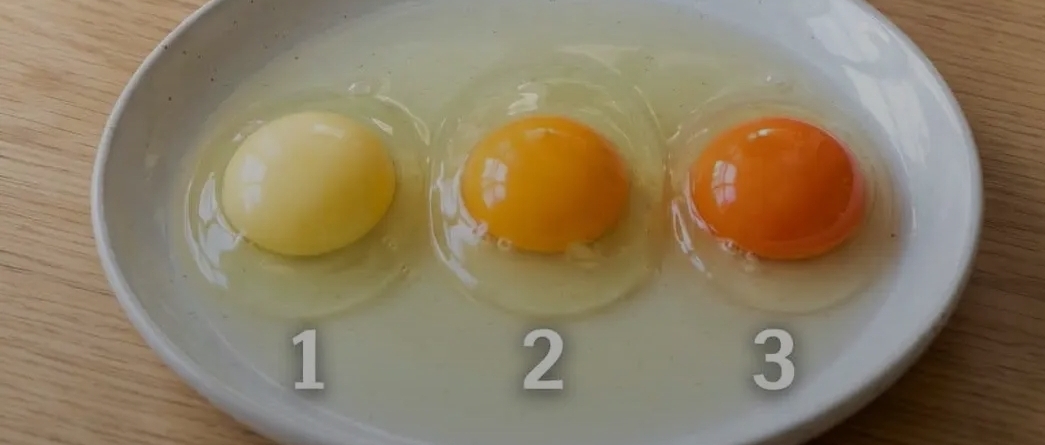
The Spectrum of Egg Yolk ColorsWhen you crack open an egg, the vibrant color of its yolk often catches your eye. You might notice variations ranging from a light, almost creamy yellow to a rich, deep orange. While some people believe a darker yolk signifies a healthier egg, the truth is a bit more nuanced. The primary factor influencing egg yolk color is the hen’s diet, specifically the presence of certain pigments called carotenoids.Carotenoids are natural plant pigments found in various foods. When hens consume feed rich in these pigments, their bodies transfer them to the egg yolks, resulting in a more intense color. This process is entirely natural and does not necessarily indicate a superior or inferior egg in terms of overall nutrition, though it can hint at certain dietary choices made by the hen.What Determines Yolk Color?The color of an egg yolk is almost entirely dependent on the hen’s diet. Here’s a breakdown of how different dietary components contribute to the yolk’s hue:Xanthophylls: These are the most important carotenoids for yolk pigmentation. Common sources include corn, alfalfa meal, and marigold petals. Hens fed a diet rich in yellow corn or alfalfa will produce eggs with more vibrant yellow or orange yolks.Grasses and Forage: Pasture-raised hens that consume fresh grass, clover, and other leafy greens naturally ingest high levels of xanthophylls, leading to darker, often deep orange yolks. This is why eggs from free-range or pastured hens often exhibit the most intense yolk colors.Commercial Feed: Many commercial feeds include natural pigments, such as marigold extract or paprika, to achieve a desired yolk color. This is a common practice to meet consumer preferences, as many people associate darker yolks with higher quality.Wheat and Barley: Hens fed diets primarily based on wheat or barley, which are lower in xanthophylls, tend to produce lighter, pale yellow yolks.It’s important to understand that the hen’s breed does not influence yolk color; it only affects the shell color (white or brown). All hens, regardless of breed, will produce yolks whose color reflects their diet.Does Yolk Color Indicate Nutritional Value?This is a common question, and the answer is both yes and no. While a deeper orange yolk often comes from a hen with a more varied, natural diet (like a pastured hen), leading to some nutritional differences, the core nutritional profile of eggs remains largely consistent across different yolk colors.Vitamins and Minerals: All egg yolks are excellent sources of essential vitamins and minerals, including Vitamin A, D, E, K, B vitamins, selenium, and choline. These are present regardless of yolk color.Omega-3 Fatty Acids: Some studies suggest that eggs from pastured hens or those fed omega-3 enriched diets may have higher levels of omega-3 fatty acids. Since pastured hens often have darker yolks, there can be an indirect correlation.Antioxidants: Darker yolks, especially those from hens on diets rich in leafy greens, may contain slightly higher levels of certain antioxidants like lutein and zeaxanthin. These carotenoids are beneficial for eye health.Protein and Fat: The protein and fat content of an egg yolk is generally consistent, irrespective of its color.In essence, while a deep orange yolk might indicate a diet richer in carotenoids and potentially other beneficial compounds (like omega-3s if the hen is truly pastured), a pale yellow yolk is still a highly nutritious food. The difference in overall nutritional impact between a pale yellow and a deep orange yolk, assuming both eggs are fresh and from healthy hens, is often subtle.What to Look For in a Healthy YolkBeyond color, there are other indicators of a fresh, healthy egg yolk:Firmness and Height: A fresh egg yolk will be round, firm, and stand up relatively high. As an egg ages, the yolk tends to flatten and spread out more.Clear Albumen: The egg white (albumen) of a fresh egg should be thick and somewhat cloudy, clinging closely to the yolk. A watery, thin albumen suggests an older egg.No Unusual Odors: A fresh egg should have a neutral smell. Any off-putting odors indicate spoilage.Focusing on these characteristics, in addition to yolk color, provides a more comprehensive assessment of an egg’s quality and freshness.The Role of Hen HealthThe color of an egg yolk is a direct reflection of the hen’s diet, which in turn is a strong indicator of her overall health and living conditions. Hens that have access to varied forage, sunlight, and a balanced diet tend to be healthier. These conditions are often associated with free-range or pastured farming practices, where hens can roam and eat a natural diet rich in carotenoids.While the color itself doesn’t directly measure a hen’s health, a consistent, vibrant yolk color from a particular source can be a good sign that the hens are well-fed and living in conditions conducive to producing high-quality eggs. Pale yolks, on the other hand, might suggest a more restricted diet, often seen in industrial farming where hens primarily consume grain-based feeds with limited access to greens.Consumer Preferences and MarketingMany consumers have a strong preference for darker egg yolks, often associating them with a more natural, higher-quality product. This preference has led to some commercial egg producers intentionally modifying hen diets with natural additives (like marigold extract) to achieve a deeper yolk color, even if the hens are not pasture-raised. Therefore, while yolk color can be a useful indicator, it’s also important to consider the egg’s labeling (e.g., pasture-raised, free-range) to understand the hen’s living conditions and diet more fully.Frequently Asked QuestionsIs a pale yellow yolk unhealthy?No, a pale yellow yolk is not unhealthy. It simply indicates that the hen’s diet was lower in carotenoid pigments, such as those found in corn or green plants. It still provides excellent nutrition.Can you change the color of egg yolks?Yes, by altering a hen’s diet, you can change the color of her egg yolks. Feeding hens more foods rich in xanthophylls, like yellow corn, alfalfa, or leafy greens, will result in darker yolks.Do brown eggs have darker yolks than white eggs?No, the color of the eggshell (brown or white) is determined by the hen’s breed and has no bearing on the color of the yolk. Yolk color is solely dependent on the hen’s diet.Are darker yolks always more nutritious?Not always significantly. While darker yolks often come from hens with diets richer in carotenoids and potentially omega-3s, the fundamental nutritional profile of eggs (protein, fat, most vitamins and minerals) remains largely consistent across different yolk colors. The differences are often subtle.Final ThoughtsThe color of an egg yolk is a fascinating visual cue that tells a story about a hen’s diet. While a deep orange yolk often suggests a hen that has enjoyed a diverse, carotenoid-rich diet, a pale yellow yolk is still a powerhouse of nutrition. When choosing eggs, consider yolk color as one indicator, but also look at labels that describe the hen’s living conditions, as these can provide a more complete picture of the egg’s journey from farm to table. Ultimately, enjoying eggs of any yolk hue means savoring a delicious and highly nutritious food.
Decoding Egg Yolk Color: What the Hue Reveals About Hen Health and Nutrition