Finding small, fluttering moths in your kitchen can feel alarming. You might imagine them spreading everywhere, ruining your food, and taking over your home. But take a breath—pantry moths are a common nuisance, and with a little patience and a few practical steps, they’re very manageable.Here’s what you need to know, and how to handle it with calm, practical care.How Do Pantry Moths Get In?Pantry moths are clever little hitchhikers. They often find their way into your home by:Coming in with groceries – They can hitch aride on food products from the store.Flying in from outside – Open windows and doors can let them in.Spreading from neighboring homes – In shared buildings, they can travel through vents and cracks.Hiding in open containers – Any unsealed dry food is at risk.Signs You Have a Pantry Moth InfestationSign What to Look ForSightings Flying moths near your pantry or kitchen cabinetsWebbing Silky, web-like material in food containers, corners, or cracksLarvae Small white caterpillars in food or crawling on surfacesPupae cases Small, brown cocoonsin cupboardsFood contamination Clumpy, webbed, or strange-smelling foodHow to Handle a Pantry Moth InfestationStep 1: Identify the SourceGo through your pantry and inspect everything. Check for webbing, larvae, or any signs of contamination.Common sources include: Flour, cereal, grains, pasta, spices, dried fruit, nuts, pet food, birdseed, and any unsealed food.Step 2: Discard Infected ItemsIf you find contaminated food, seal it in a plastic bag and throw it away. It’s best not to try to salvage it.Step 3: Clean ThoroughlyEmpty your pantrycompletely.Vacuum all shelves, corners, and cracks.Wash surfaces with soapy water.Wipe down shelves with vinegar.Pay attention to cracks and crevices where larvae might hide.Step 4: Use TrapsPheromone traps attract and catch adult male moths. They’re a helpful way to monitor the infestation and reduce the population.Step 5: Prevent Future InfestationsStore food in airtight containers (glass jars or plastic containers with tight seals).Freeze grains and flours for a few days after purchase.Keep your pantry clean and clutter-free.Inspect new groceries before storingthem.Use bay leaves or cedar in your pantry as natural repellents.Can You Save Contaminated Food?In most cases, it’s best to throw away contaminated food. The larvae and webbing make it unappetizing and potentially unsafe.However, for severe infestations, freezing food for at least 4 days can kill eggs and larvae. If the contamination is minor (just a few moths), you can remove them and use the food—but if there’s webbing or larvae, it’s best to toss it.When to Call a ProfessionalIf the infestation is extensiveor keeps coming back despite your efforts, consider calling a pest control professional. They can identify the source and treat hidden areas.Frequently Asked QuestionsAre pantry moths harmful?They aren’t dangerous to human health, but they can contaminate food and spread quickly.How long do pantry moths live?Adult moths live about 2–4 weeks. The larvae stage lasts a few weeks to a few months.Can I eat food that had pantry moths?If you find a few moths in a food product, it’s generally safe after removing them.But if there’s webbing or larvae, it’s best to toss it.How can I prevent pantry moths?Use airtight containers, freeze new dry goods for a few days, keep your pantry clean, and regularly inspect your food.Do pantry moths fly in from outside?Yes, they can fly in through open windows and doors. Keep screens repaired.What about pantry moths in my pet food?Pet food is a common source. Store it in airtight containers and check regularly.A Final ThoughtWhen I found those little moths in mypantry, I felt a wave of panic. I imagined them spreading through my whole kitchen, ruining everything. But once I took a deep breath and followed the steps, it turned out to be manageable.Pantry moths are a nuisance, but they’re not the end of the world. With a little patience and a few practical steps, you can reclaim your pantry and prevent future problems.If you’re dealing with pantry moths, remember: you’re not alone. It happens to the best of us. And once you know how to handle it,you’ll be ready.Have you ever had a pantry moth infestation? How did you handle it? Share your tips in the comments—your advice could help someone else. 🦋🔍
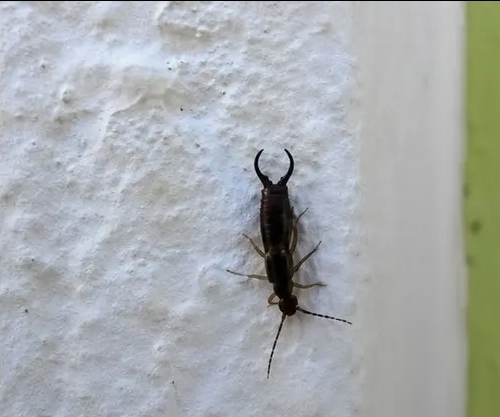
Warning! If You Find This Tiny Insect in Your Kitchen, Check Your Pantry — Here’s How to Handle It Calmly