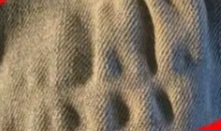
There is a specific, quiet disappointment in pulling your favorite pair of jeans from the washing machine, only to find them marred by strange ripples, waves, or twisted seams. It is a frustrating experience, particularly when the garment in question is your most comfortable and trusted pair. However, before you assume your denim is ruined, it is helpful to understand that this phenomenon has a logical explanation rooted in the very nature of the fabric.Denim is not merely a flat piece of cloth. It is a tightly woven textile constructed primarily from cotton yarns, and this specific weave is what grants jeans their renowned durability and structure. When denim enters the washing machine, a complex physical reaction occurs. The cotton fibers become heavily saturated with water, the fabric is subjected to repeated mechanical agitation, and the individual yarns shift slightly as the material expands and contracts. When the jeans eventually dry, these microscopic shifts can manifest as visible wrinkles, ripples, or uneven textures.Understanding the different types of ripples can help you identify exactly what went wrong during the laundry cycle. First, you may notice a phenomenon known as leg twist. This occurs when the denim fabric was originally woven with a slight inherent torque. During the wash cycle, this latent twist becomes pronounced, often making one leg appear slightly crooked or spiraled along the seam.Second, horizontal creases frequently appear…Second, horizontal creases frequently appear across the thighs, knees, or lower legs. These are typically the result of the washing machine’s aggressive spinning action, which folds the wet fabric and allows the dryer to bake those creases into place. Third, excessive heat is a primary culprit. High temperatures in the dryer can cause the cotton fibers to shrink unevenly, leading to stubborn ripples, particularly around the reinforced areas of the waistband and seams.Fourth, an overloaded washing machine restricts the natural movement of the fabric. When jeans are packed too tightly, they cannot tumble freely, resulting in uneven washing and deep, set-in wrinkles. Finally, you might observe puckering specifically around the seams. Because jeans are constructed with thick, heavy thread, any slight shrinkage or expansion of the main fabric will pull against these rigid seams, causing the surrounding material to gather and ripple.Fortunately, you can take several proactive steps to minimize or prevent these distortions. The process begins with how you wash the garment. Always turn your jeans inside out before washing to protect the outer fabric and reduce surface friction. Utilize cold water, which is significantly gentler on cotton fibers and drastically reduces the risk of shrinkage. Additionally, ensure your washing machine is not overloaded, giving the denim ample room to move and rinse properly.The drying phase is equally critical. Whenever possible, air drying is the safest method, as it completely eliminates the risk of heat-induced wrinkling. If you must use a dryer, select the lowest heat setting and remove the jeans while they are still slightly damp, allowing them to finish drying flat or on a hanger. Should ripples still appear, a gentle pass with a garment steamer or an iron on a low setting can effectively smooth out the fabric.Ultimately, a few ripples and waves are often just the natural signature of well-loved, well-worn denim. They tell a story of comfort, movement, and daily life. By incorporating a few mindful adjustments into your laundry routine, you can ensure that your favorite jeans retain their shape, comfort, and character for years to come.
Why Do Jeans Get Weird Ripples After Washing?