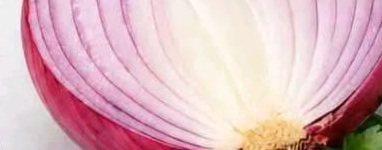
Sometimes the most valuable ingredients in the kitchen are the simplest ones. Shallots are small, flavorful members of the allium family, closely related to onions and garlic, and they can add much more than flavor to everyday meals. Their combination of plant compounds, antioxidants, vitamins, minerals, and natural sulfur-containing compounds makes them an interesting addition to a balanced diet.One of the reasons shallots have attracted attention is their concentration of flavonoids such as quercetin. These plant compounds have antioxidant properties and have been studied for their possible relationship with cardiovascular health, inflammation, blood pressure, and metabolic health. Research specifically on shallots is still developing, so they should be viewed as a nutritious food rather than a treatment for a medical condition.For heart health, adding shallots to meals can be an easy way to increase the variety of vegetables in your diet. A heart-healthy eating pattern is much more important than any single ingredient, but vegetables containing flavonoids and other plant compounds can contribute to an overall nutritious diet. Research involving onion-family vegetables and quercetin has investigated effects on blood pressure, cholesterol, blood-vessel function, and other cardiovascular markers, although results are not consistently strong enough to consider shallots a medical treatment.Shallots may also be useful for people interested in maintaining a healthy digestive system. Like other vegetables, they contribute fiber and plant compounds to the diet. Their natural prebiotic carbohydrates may interact with the gut microbiome, the community of microorganisms that plays an important role in digestion and overall health. However, people with irritable bowel syndrome or sensitivity to certain fermentable carbohydrates may find onions and shallots uncomfortable and may need to adjust their portions.The potential benefits do not stop with the heart and digestive system. Shallots contain antioxidant compounds that help protect food cells from oxidative processes, while a diet rich in vegetables provides nutrients needed for normal skin function. Healthy skin depends on many factors, including adequate nutrition, hydration, sleep, sun protection, and proper skincare. Eating shallots alone will not erase wrinkles or dramatically transform the complexion, but they can comfortably fit into a nutritious diet that supports overall wellness.One of the easiest ways to consume shallots is simply to use them in everyday cooking. Finely chop them and add them to salads, soups, sauces, roasted vegetables, omelets, rice dishes, or homemade dressings. They can also be gently sautéed with vegetables, fish, chicken, or lean meat to create a flavorful meal without relying heavily on processed sauces.For a fresh option, finely sliced shallots can be combined with tomatoes, cucumber, parsley, olive oil, and lemon juice. This creates a simple vegetable salad that works well alongside grilled fish or chicken. Another option is to roast whole or halved shallots until soft and lightly caramelized, bringing out their natural sweetness.Although shallots are generally considered a food rather than a supplement, moderation still matters. Eating large amounts of raw allium vegetables may cause bloating, gas, heartburn, or digestive discomfort in sensitive individuals. People taking medications for blood pressure, blood sugar, or other chronic conditions should not change their treatment simply because they add shallots to their diet.The biggest advantage of shallots is that they are affordable, versatile, and easy to incorporate into healthy meals. Instead of searching for one “miracle ingredient” that can fix every health problem, building meals around vegetables, fruits, whole grains, legumes, healthy fats, and quality protein provides a much stronger foundation for long-term health.A few shallots added to your cooking cannot guarantee perfect blood pressure, a disease-free heart, flawless skin, or a perfectly balanced gut. But as part of a balanced eating pattern, they can provide flavor and valuable plant compounds while helping you create meals that are both nutritious and satisfying.
Search Results for: Shallots: A Simple Ingredient for Heart, Gut, and Skin Health