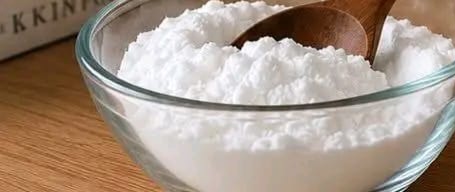
Baking soda is one of those inexpensive kitchen staples that seems to have a solution for almost everything. It can help clean countertops, deodorize refrigerators, and freshen household surfaces. But when it comes to skincare, the story is very different.You may have seen viral before-and-after photos claiming that baking soda can erase dark spots, wrinkles, acne scars, and dark circles, leaving the face dramatically smoother after only a few applications. The idea is tempting because baking soda is cheap, readily available, and already sitting in many kitchen cabinets.However, rubbing baking soda directly onto your face is not a proven anti-aging treatment, and using it too aggressively can actually irritate your skin.Baking soda, also known as sodium bicarbonate, is alkaline, while healthy facial skin has a naturally acidic surface environment. Applying alkaline substances repeatedly can interfere with the skin barrier, potentially leading to dryness, irritation, redness, burning, and increased sensitivity.This is particularly important for people with mature, dry, sensitive, or acne-prone skin.So instead of using baking soda as a harsh facial scrub, there are gentler ways to address the problems shown in the viral image.For dark spots and uneven skin tone, daily sunscreen should be the foundation of your skincare routine. Sun exposure can make existing pigmentation more noticeable and contribute to premature skin aging. A broad-spectrum SPF 30 or higher can help protect the skin from further UV damage.For uneven pigmentation, ingredients such as vitamin C, niacinamide, azelaic acid, and retinoids are commonly used in skincare products. These ingredients have much more established roles in improving the appearance of uneven skin tone than baking soda.Wrinkles require a different approach. No kitchen ingredient can realistically erase deep wrinkles overnight. Fine lines can sometimes look less noticeable when the skin is well hydrated, because moisturized skin reflects light differently and appears smoother.A good moisturizer containing ingredients such as ceramides, glycerin, hyaluronic acid, or other moisturizing agents can help improve the appearance and comfort of dry skin.For people interested in long-term anti-aging skincare, retinoids are among the better-studied topical ingredients. They can help improve the appearance of fine lines and skin texture over time, although they can initially cause dryness or irritation and should be introduced gradually.Dark circles under the eyes are even more complicated. They can result from genetics, pigmentation, visible blood vessels, allergies, lack of sleep, dehydration, or the natural hollowing and shadowing that occurs with age.Because the causes vary, simply applying a homemade baking-soda paste underneath the eyes isn’t a good solution. The skin around the eyes is particularly thin and sensitive, making irritation more likely.If you want a simple natural-feeling skincare routine, keep it gentle.In the morning, wash your face with a mild cleanser or simply rinse if cleansing isn’t necessary. Apply a moisturizer and finish with sunscreen.During the evening, cleanse away dirt, makeup, and sunscreen. Apply a suitable moisturizer and, if desired, introduce one targeted skincare ingredient rather than mixing numerous home remedies together.Avoid aggressive scrubbing. Scrubbing harder does not make dark spots disappear faster. In fact, irritation can sometimes make pigmentation problems more noticeable.The same applies to acne marks. Picking, squeezing, or repeatedly irritating blemishes can increase the chance of lingering discoloration and scarring.If you already tried baking soda on your face and experienced burning, redness, swelling, or persistent dryness, stop using it and give your skin time to recover. A gentle moisturizer can help support the skin barrier.And remember that dramatic before-and-after photographs on social media aren’t always evidence of a skincare treatment. Lighting, camera exposure, makeup, filters, facial expression, image editing, and even the angle of the face can create an enormous visual difference.That doesn’t mean you can’t improve the appearance of your skin. You absolutely can—but effective skincare usually depends on consistency rather than a miracle ingredient.Protect your skin from the sun, moisturize regularly, avoid unnecessary irritation, get enough sleep, maintain a balanced diet, and choose skincare ingredients based on the specific concern you’re trying to address.Baking soda has a valuable place in the kitchen and around the house, but your face deserves gentler treatment.The goal isn’t to scrub your skin until it looks perfect. The goal is to protect the skin barrier, reduce irritation, maintain hydration, and use ingredients that have a reasonable basis for improving the appearance of pigmentation, fine lines, and uneven texture.Sometimes the best skincare secret isn’t something hiding in the kitchen cabinet. It’s a simple routine that you can actually follow every day.
How to Use Baking Soda to Remove Dark Spots, Wrinkles, and Dark Circles From Your Face