
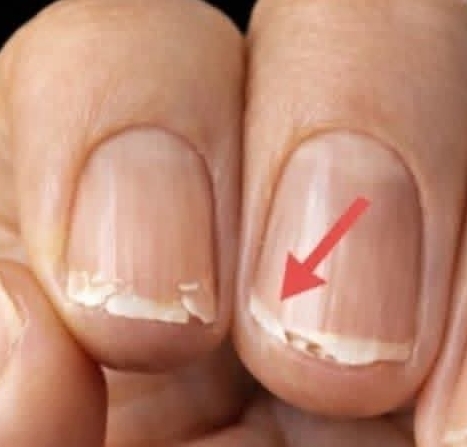
Why Do Nails Become Brittle and Prone to Splitting?
Brittle nails that keep splitting or breaking can be incredibly discouraging, especially when they make simple activities painful and leave you feeling less confident in your appearance. These splitting nails often stem from a weakened keratin structure, the protein that forms the foundation of your nails, hair, and skin. Research from dermatology studies indicates that about 20% of people experience this issue, known as onychoschizia, with women noticing it more after age 50. The frustration builds when breaking nails disrupt your routine, but understanding the causes can help you address them effectively.
But that’s not the whole picture. Everyday exposure plays a huge role in making nails prone to splitting and breaking.
🧼 Everyday Habits That Can Weaken Nails
Imagine dealing with splitting nails every time you wash dishes or clean the house—it adds unnecessary stress to your day and can even make you dread household chores. Frequent contact with water, particularly hot water and harsh soaps, strips away natural oils, leading to drier, more fragile nails that break easily. Studies show that repeated wetting and drying cycles cause the nail layers to expand and contract, heightening the risk of splitting nails. This constant irritation from breaking nails might make you avoid tasks altogether, but small protections can make a difference.
Here’s the thing: it gets worse with other common routines. Harsh chemicals in cleaners or acetone in nail polish removers exacerbate the problem, turning minor annoyances into ongoing discomfort from splitting and breaking nails.
👵 Aging and Lifestyle Factors That Influence Nail Strength
As years pass, splitting nails can become more noticeable, amplifying feelings of vulnerability and reminding you of changes in your body that feel out of control. Natural aging slows nail growth and thins the plates, making them less elastic and more susceptible to breaking. Health experts note that hormonal shifts, like those during menopause, reduce moisture retention, leading to more brittle nails. The emotional toll of these splitting nails might leave you self-conscious about your hands, but recognizing lifestyle influences offers hope.
Sincerity speaking, certain choices amplify this. Smoking limits blood flow to extremities, starving nails of nutrients and worsening splitting and breaking. High stress might trigger habits like picking at nails, adding to the frustration and cycle of damage.
🍎 Nutritional Factors That Affect Nail Health
Nothing feels more defeating than seeing your nails splitting or breaking despite your best efforts, especially if it’s tied to what you’re eating, leaving you worried about deeper deficiencies. A lack of key nutrients weakens keratin production, making nails brittle. For instance, low iron levels, common in those with varied diets or heavy periods, are linked to fragile nails according to the American Journal of Clinical Dermatology. This can compound feelings of fatigue, turning splitting nails into a signal of broader unease.
And get this: biotin and other vitamins matter too. Biotin supports keratin, with some research suggesting it aids thickness in deficient cases, while zinc, protein, and omega-3s help growth and moisture—deficits here intensify the pain of breaking nails.
Hydration is key as well. Dehydration dries out the body, including nails, making splitting more likely and adding to daily discomfort.
⚕️ Underlying Health Conditions to Keep in Mind
When splitting nails persist alongside other symptoms, it can spark anxiety about what else might be going on, heightening your concern for overall well-being. Conditions like thyroid imbalances, such as hypothyroidism, often come with dry, breaking nails plus fatigue, as noted in medical reviews. Poor circulation from issues like Raynaud’s restricts nutrient delivery, leading to more fragility. The worry from these splitting nails might keep you up at night, but awareness encourages timely checks.
Truth be told, skin conditions or medications can contribute. Psoriasis or eczema may affect nails, causing ridges and splits, while some drugs list brittleness as a side effect—intensifying the emotional strain of constant breaking.
📖 Real-Life Examples of Improvement
Hearing about others’ struggles with splitting nails can feel relatable, especially when their frustration mirrors your own daily battles with painful breaks. Take Sarah, a busy parent whose nails kept splitting during chores like gardening without protection—she felt embarrassed and limited in her activities. By using gloves and applying oil regularly, she noticed stronger nails in months, easing her tenderness. Stories like this highlight how addressing breaking nails reduces self-doubt.
Or consider John, whose breaking nails accompanied tiredness, revealing low iron through a check-up. Dietary tweaks brought energy and nail resilience, alleviating his ongoing irritation from splitting.
💪 Practical Ways to Support Stronger Nails
Dealing with splitting nails day after day can wear you down emotionally, making you long for simple fixes to regain confidence in your hands. Start by protecting against moisture loss—wear cotton-lined gloves for wet tasks to shield from irritants that cause breaking. Apply fragrance-free lotion or cuticle oil after washing to restore hydration, reducing fragility. These steps target the root of splitting nails, offering relief from constant annoyance.
But wait, there’s more to it. Trim nails short and file gently in one direction to prevent tears, while a nutrient-rich diet with proteins, irons, and fats supports growth—easing the pain of frequent breaks.
For easy reference, here’s a comparison table:
| Approach | How It Helps | Practical Tip |
|---|---|---|
| Protective Gloves | Shields from water and irritants | Use for all wet chores; air-dry inside out |
| Daily Moisturizing | Restores natural oils and flexibility | Massage into nails and cuticles twice daily |
| Balanced Nutrition | Supplies building blocks for keratin | Add one nutrient-rich food per meal |
| Gentle Filing | Prevents tearing of nail layers | File in one direction only, rounded shape |
📋 Step-by-Step Plan to Get Started
The cycle of splitting nails can feel endless and isolating, but a structured approach can break it, restoring a sense of control over your nail health.
- Track your routine for a few days—note exposures to water or chemicals that might trigger breaking nails and heighten frustration.
- Get gloves and use them consistently for a week to protect against factors causing splitting, reducing daily tenderness.
- Place lotion by sinks as reminders, applying it regularly to combat dryness that leads to more breaking nails.
- Incorporate nutrient boosts, like nuts or fish weekly, to address deficiencies fueling the issue and ease emotional strain.
- Review after 4-6 weeks, perhaps with photos, to see progress in reducing splitting and breaking.
Consistency often leads to noticeable changes, lightening the burden of brittle nails.
🏁 Take Control of Your Nail Health
Splitting nails and breaking can disrupt your confidence and daily comfort, but they’re often linked to adjustable habits like hydration and protection rather than unchangeable factors. By incorporating gloves, moisturizing, and nutrient-focused eating, many experience healthier nails over time, diminishing the frustration.
And that simple habit? After hand washing, pat dry gently instead of rubbing—this preserves oils, potentially reducing splits and offering quick relief from breaking nails.
❓ Frequently Asked Questions
How long might it take to notice changes in splitting nails after adjustments?
Many see gradual shifts in 4-8 weeks as nails grow about 3 mm monthly, with full effects in 3-6 months for complete renewal, easing ongoing breaks.
Could biotin help with breaking nails?
Some studies suggest biotin supports nail thickness if deficient, but results vary—discuss with a provider before trying, to avoid disappointment from persistent splitting.
Are manicures harmful for brittle nails?
Occasional ones are typically okay, but frequent gels or acrylics with rough removal can weaken nails—taking breaks helps prevent worsening splits and breaks.
Disclaimer: This article is for informational purposes only and is not intended as medical advice. Consult a qualified healthcare professional for personalized concerns or before starting any new regimen.