
A Gentle Guide to Choosing the Right Allium
Oh, my dear friend, I know that moment of standing in the grocery aisle, looking at the bunches of green tops and wondering, “Which one do I need?” It’s easy to get confused when the names seem so similar. Let’s take a gentle, clear look at the differences between green onions, scallions, spring onions, and chives, so you can choose the right ingredient with confidence.
Green Onions and Scallions: Often Interchangeable
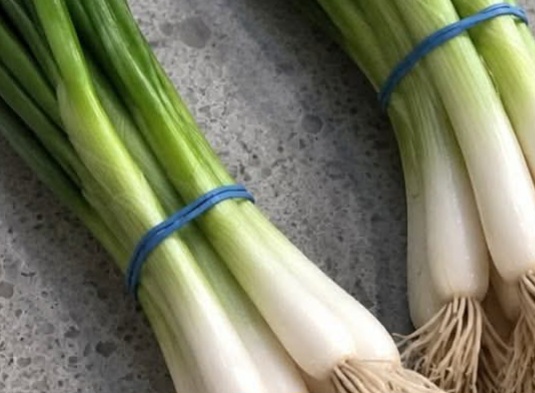
The short answer is that green onions and scallions are often the same thing. In many grocery stores, the names are used interchangeably to describe the same vegetable: a young onion that has been harvested before the bulb has fully formed.
Key Characteristics:
Bulb Size: A very small, slender, white bulb that is about the same width as the stem.
Flavor: Mild and fresh, with a gentle onion bite that is not too pungent.
Usage: The entire onion—both the white bulb and the green stalks—is edible and can be used raw or cooked.
Spring onions are similar to green onions and scallions, but they are allowed to grow a little longer, resulting in a noticeably larger bulb.
Key Characteristics:
Bulb Size: A rounder, more pronounced bulb that can be the size of a small shallot or golf ball.
Flavor: Slightly stronger and more pungent than a green onion, but still milder than a mature onion.
Usage: Both the bulb and the green tops are edible. The bulb has a slightly more intense flavor and can be used in cooking, while the greens are great raw or lightly cooked.
Chives: A Different Plant Altogether
Chives are not just a smaller version of a green onion; they are a completely different plant species. They are part of the same allium family (which also includes garlic, onions, and leeks), but they are distinct.
Key Characteristics:
Appearance: Thin, delicate, hollow, grass-like leaves. They do not form a bulb.
Flavor: A mild, delicate onion flavor that is much more subtle than green onions or scallions.
Usage: They are almost always used raw or added at the very end of cooking, as their flavor is delicate and their texture wilts quickly. They are a classic garnish for baked potatoes, soups, and dips.
Chive Flowers: The beautiful, edible purple flowers also have a mild onion flavor and can be used as a garnish.
A Quick Reference Guide
Name Appearance Flavor Best Used For
Green Onions / Scallions Slender white bulb, straight green stalks Mild, fresh onion flavor Raw in salads, as a garnish, or lightly cooked in stir-fries
Spring Onions Noticeably larger, rounder bulb Slightly more pungent than green onions Sautéed, grilled, or roasted; the greens can be used raw
Chives Thin, hollow, grass-like leaves Delicate, subtle onion flavor Raw as a garnish for baked potatoes, soups, and dips
How to Store Them
All of these fresh alliums should be stored in the refrigerator.
Green Onions and Scallions: Store them in a plastic bag in the crisper drawer for up to a week. You can also keep them fresh by placing them in a jar with a small amount of water (like a bouquet) and covering the greens loosely with a plastic bag.
Spring Onions: Store them in a plastic bag in the crisper drawer. The bulbs are more robust and will last a little longer.
Chives: Wrap them in a slightly damp paper towel and place them in a plastic bag in the refrigerator. They are delicate and should be used within a few days.
A Gentle Reminder
The allium family is wonderfully versatile and flavorful, and each member has a unique character. Understanding the differences allows you to use each one in the best possible way, bringing a fresh, bright flavor to your dishes.