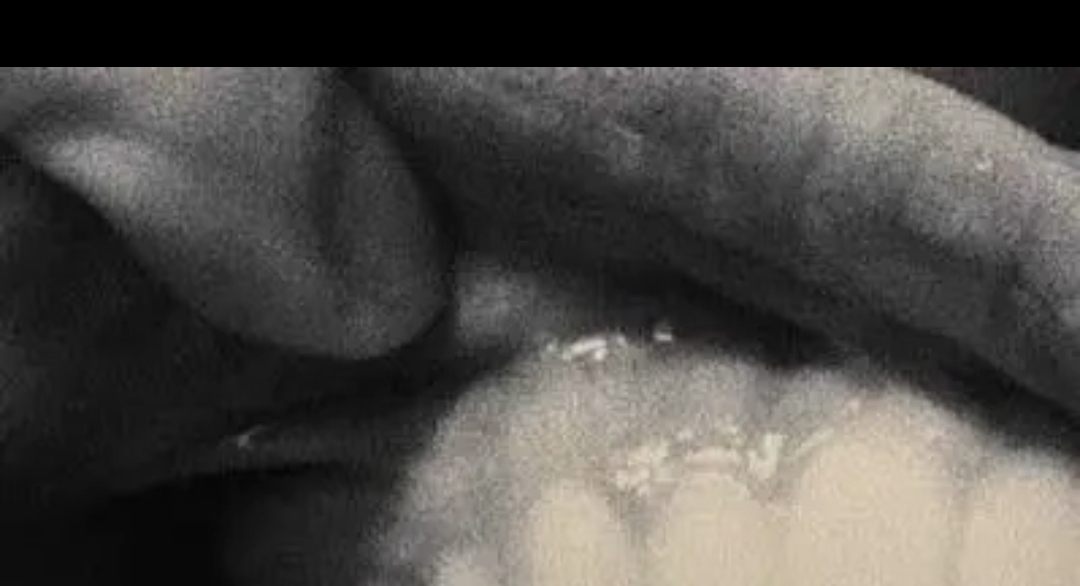
These are the first symptoms of Don’t ignore small spots. Learn what your mouth is telling you.The health of your mouth is often a reflection of your overall well-being. While many people focus solely on keeping their teeth white, the soft tissues—your gums, tongue, and the lining of your cheeks—are equally important indicators of health. Identifying unusual bumps or swellings early can make a significant difference in maintaining a comfortable and healthy lifestyle.Get Health TipsCommon Types of Oral Growths and SpotsMẹo chữa lở miệng chuẩn y khoa hiệu quả ngay tại nhà – Nha khoa Tân ĐịnhNot every bump in the mouth is a cause for alarm,but understanding the different types of lesions can help you decide when it is time to consult a professional. Fluid-Filled Swellings (Mucocele)A common sight in the oral cavity is a mucocele. These usually appear as bluish or translucent, painless swellings. They often occur on the lower lip, the floor of the mouth, or the cheek.Cause: They typically develop when a salivary gland duct becomes damaged or blocked, often from accidentally biting your lip.Appearance: They look like small, soft “bubbles” or “blisters” under the skin.Gum Bumps (Parulis)When a small, pimple-like bump appears on the gums, it is often referred to as a parulis or a “gum boil.”Find TreatmentsSignificance: This is frequently a sign that an underlying issue, such as a deep cavity or a crack in a tooth, has reached the nerve.Warning: Even if it doesn’t hurt, it indicates that the body is trying to manage an internal issue that requires expert attention. General IrritationsMouth sores can also be caused by simple physical irritation.Braces or Dentures:Gum Bumps (Parulis)When a small, pimple-like bump appears on the gums, it is often referred to as a parulis or a “gum boil.”Find TreatmentsThese are the first symptoms of Significance: This is frequently a sign that an underlying issue, such as a deep cavity or a crack in a tooth, has reached the nerve.Warning: Even if it doesn’t hurt, it indicates that the body is trying to manage an internal issue that requires expert attention. General IrritationsMouth sores can also be caused by simple physical irritation.Braces or Dentures:Ill-fitting dental appliances can rub against the sensitive lining of the mouth.Sharp Food: Crunchy or sharp foods can cause minor trauma that results in temporary swelling.When Should You Be Concerned?While many oral spots resolve on their own within a week or two, certain “red flag” symptoms suggest you should seek a professional evaluation immediately:Persistence: Any sore or bump that does not go away after 14 days.Color Changes: Patches that appear bright red or thick white (leukoplakia).Texture: Areas that feel unusually hard or “fixed” tothe underlying tissue.Difficulty Functioning: Trouble chewing, swallowing, or moving the tongue.Numbness: A loss of feeling in any part of the mouth or lips.Maintaining a healthy mouth involves more than just brushing. Follow these steps to ensure you stay ahead of any potential issues:Routine Self-ChecksOnce a month, use a bright light and a mirror to look around your mouth. Check the roof of your mouth, under your tongue, and the back of your throat. If you see something new, take a photo to track if itchanges over a few days.Hydration and NutritionA dry mouth is more susceptible to irritation and injury. Drinking plenty of water helps maintain saliva flow, which acts as a natural cleanser. Furthermore, a diet rich in vitamins (specifically A and C) supports the strength of your oral tissues.Professional Consultations
Diy Garden & Home