
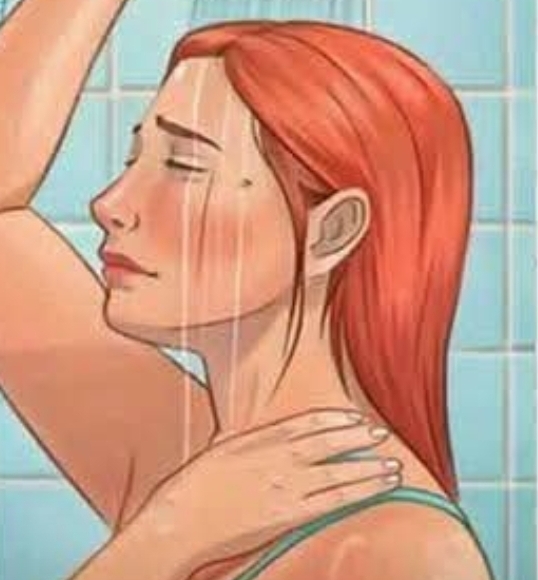
How Bathing Too Often Can Harm Your Health
A relaxing shower or bath is one of life’s simplest pleasures. Warm water soothes sore muscles, melts away stress, and gives you that fresh, clean feeling. But did you know that bathing too often might actually do more harm than good—especially for older adults or those with sensitive skin?
While hygiene is important, excessive bathing can disrupt your skin’s natural balance, affect your circulation, and even leave you more tired than refreshed. Here’s why moderation matters when it comes to your bathing routine.
🚿 1. It Can Disturb Your Skin’s Natural Barrier
Your skin produces natural oils that act as a protective shield, keeping moisture in and irritants out. Bathing too often—especially with hot water and harsh soaps—can strip these oils away. The result? Dryness, itching, and even flaking. Over time, this can worsen conditions like eczema or dermatitis.
👉 Tip: Stick to short, warm showers instead of long, hot baths, and always follow with a moisturizer.
💧 2. It May Affect Body Temperature Regulation
As we age, it becomes harder for the body to maintain a stable temperature. Bathing too frequently, particularly in very hot or very cold water, can cause sudden shifts in body temperature. This may lead to dizziness, lightheadedness, or even fainting.
👉 Tip: Choose lukewarm water and avoid long baths if you often feel weak or dizzy afterward.
💆♀️ 3. It Dries Out Your Scalp and Weakens Hair
Please Head On keep on Reading (>)
Just like your skin, your scalp relies on natural oils to stay healthy. Washing your hair too often can strip those oils away, leaving your scalp dry and your hair brittle. In some cases, it can even contribute to increased hair shedding.
👉 Tip: For most people, washing hair 2–3 times per week is enough to keep it clean without over-drying.
😴 4. It Might Leave You Feeling More Tired Than Refreshed
You might expect a shower to energize you—but bathing too often, or at the wrong times, can have the opposite effect. Hot showers can lower blood pressure and dilate blood vessels, sometimes making you feel sluggish or sleepy. Bathing right after eating or intense exercise can also make your body work harder to regulate blood flow.
👉 Tip: Bathe after your body has cooled down from activity, and wait at least an hour after meals.
🕐 How Often Should You Really Bathe?
Most adults: Once daily is perfectly fine.
Older adults or those with dry/sensitive skin: Every 2–3 days is often enough, with gentle sponge baths in between.
Always:
Use mild, fragrance-free soaps.
Avoid water that’s too hot or too cold.
Moisturize immediately after bathing to lock in hydration.
In short, clean doesn’t have to mean constant. A balanced bathing routine keeps your skin healthy, your body comfortable, and your energy steady—all while protecting your natural oils and overall well-being.