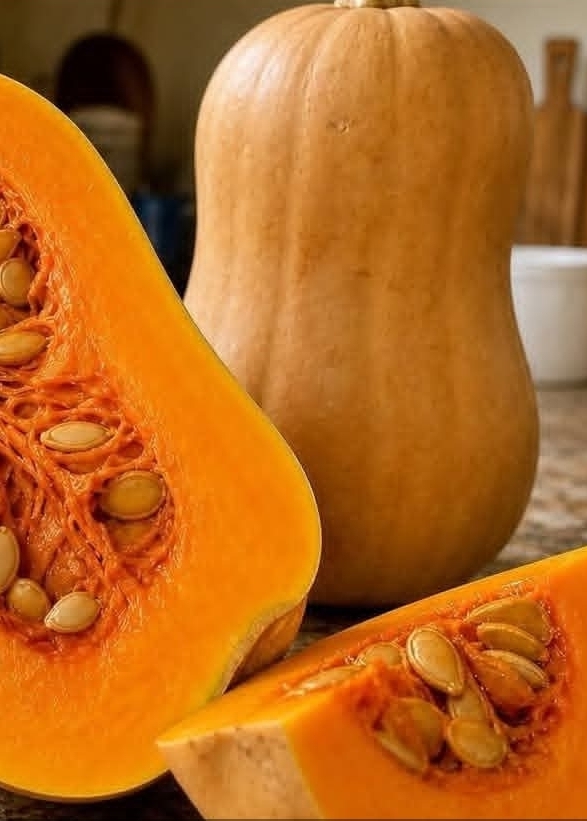
Pumpkin Seeds: Why Are They Considered a Superfood?Pumpkin seeds, also known as pepitas, may be small, but they are packed with nutrients that support overall health. Rich in plant protein, healthy fats, fiber, vitamins, and essential minerals, pumpkin seeds have become one of the most popular natural snacks for people looking to improve their nutrition.Whether you enjoy them raw, roasted, or sprinkled over your favorite meals, pumpkin seeds offer a simple way to increase your intake of important nutrients without complicated meal planning.While they are not a miracle food, eating pumpkin seeds regularly as part of a balanced diet may contribute to better heart health, stronger immunity, improved sleep, and overall wellness.Let’s explore why nutrition experts recommend adding them to your daily routine.Nutritional Value of Pumpkin SeedsPumpkin seeds provide an impressive variety of nutrients in a small serving.They are naturally rich in:Plant-based proteinHealthy unsaturated fatsDietary fiberMagnesiumZincIronPhosphorusPotassiumVitamin EAntioxidantsThese nutrients work together to support many essential functions throughout the body.Health Benefits of Pumpkin SeedsEating pumpkin seeds regularly may provide several important health benefits when included as part of a balanced eating pattern.1. Supports a Healthy Immune SystemPumpkin seeds are an excellent source of zinc, a mineral that plays an important role in immune function.Zinc helps support:Normal immune responsesWound healingHealthy skinCell growth and repairMeeting your daily zinc needs contributes to overall wellness.2. Promotes Heart HealthPumpkin seeds contain heart-friendly nutrients such as:MagnesiumHealthy fatsPlant sterolsAntioxidantsThese nutrients may help support:Healthy cholesterol levelsNormal blood pressureHealthy blood circulationCardiovascular functionA heart-healthy diet includes a variety of nuts and seeds, including pumpkin seeds.3. May Help Support Better SleepPumpkin seeds naturally contain tryptophan, an amino acid involved in the body’s production of serotonin and melatonin.They also provide magnesium, which plays a role in muscle and nerve function.Although pumpkin seeds alone won’t cure sleep problems, they may support healthy sleep when included in an overall balanced diet.4. Supports Healthy Weight ManagementBecause pumpkin seeds contain both protein and fiber, they can help you feel satisfied between meals.They may help:Reduce unnecessary snackingPromote fullnessSupport appetite controlMake healthy snacks more satisfyingRemember that portion size still matters because pumpkin seeds are calorie-dense.5. Supports Strong BonesPumpkin seeds provide several minerals important for bone health, including:MagnesiumPhosphorusZincThese nutrients contribute to maintaining strong bones throughout life when combined with adequate calcium, vitamin D, and regular physical activity.Best Ways to Eat Pumpkin SeedsOne of the biggest advantages of pumpkin seeds is their versatility.They can easily be added to many different meals and snacks.Here are some of the most popular ways to enjoy them.Method 1: Eat Raw Pumpkin SeedsRaw pumpkin seeds retain their natural nutrients and require no preparation beyond cleaning and drying.Many people enjoy them because they offer:A mild, nutty flavorMaximum nutritional valueConvenient snackingNo added oilsChoose unsalted, plain pumpkin seeds whenever possible.Method 2: Roasted Pumpkin SeedsRoasting enhances both flavor and crunch.To prepare them:Spread the seeds on a baking tray.Lightly season with herbs or spices if desired.Roast at a moderate temperature until lightly golden.Avoid excessive oil and salt to keep them as nutritious as possible.Light roasting preserves much of their nutritional value while improving texture.(Part 2 will include pumpkin seed powder, meal ideas, recommended daily intake, the best time to eat pumpkin seeds, safety precautions,
How to Eat Pumpkin Seeds: Health Benefits, Best Ways to Enjoy Them, and Daily Nutrition Tips