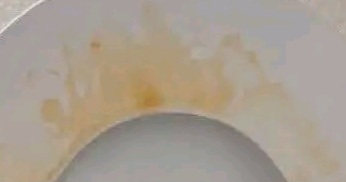
If your toilet seat has developed stubborn yellow, orange, or brown stains, don’t be embarrassed. This is a very common problem, especially with older plastic toilet seats.These stains can come from urine residue, hard-water minerals, rust, or cleaning-product buildup. Unfortunately, ordinary multipurpose cleaner often isn’t strong enough to remove stains that have been sitting on plastic for a long time.If you’ve already tried baking soda and vinegar without success, here’s a better approach.What You’ll NeedDish soapWarm waterHydrogen peroxide (3%)A clean microfiber cloth or soft spongeAn old soft toothbrushRubber glovesPaper towels or an old towelImportant: Never mix hydrogen peroxide with bleach or other cleaning chemicals.Step 1: Remove the Toilet Seat if PossibleIf your toilet seat can be removed easily, take it off before cleaning.This makes it much easier to reach the hinges and the areas underneath the seat where residue can accumulate.If you don’t want to remove it, simply raise the seat and clean it in place.Step 2: Wash Away Surface DirtStart with the gentlest method.Mix a small amount of dish soap with warm water. Use a soft cloth or sponge to wipe the entire seat.Pay particular attention to:The underside of the seatAround the hingesThe edgesAreas where the seat contacts the toilet bowlRinse with clean water and dry it.This step removes grease and surface residue so that the stain treatment can work more effectively.Step 3: Treat the Stubborn Yellow StainsFor a white plastic toilet seat, apply 3% hydrogen peroxide to a cloth or several paper towels.Place the dampened material over the stained areas and allow it to sit for approximately 10–15 minutes.Don’t let the product remain on the surface for hours.Afterward, gently wipe the area with a soft sponge or cloth.For small stubborn areas, a soft toothbrush can help loosen residue.Step 4: Rinse ThoroughlyAfter treating the stains, wipe the entire surface several times with a clean damp cloth.You want to remove all cleaning-product residue.Then dry the seat completely with a clean towel.Step 5: If the Stains RemainIf the discoloration is still there, the problem may not simply be surface dirt.Some plastic toilet seats become permanently discolored with age. Plastic can yellow because of prolonged exposure to sunlight, chemicals, moisture, and normal aging.In that situation, stronger scrubbing may actually damage the surface without restoring its original color.If the stains are actually orange or reddish, they may also be caused by iron or rust deposits from the water. In that case, a commercial rust/mineral remover specifically labeled as safe for plastic may work better than household cleaners.Always follow the product’s instructions and test it on an inconspicuous area first.Avoid These Common MistakesDon’t Mix Cleaning ChemicalsNever combine bleach with vinegar, acids, ammonia, or other household cleaners. Dangerous gases or chemical reactions can occur.Don’t Use Steel WoolSteel wool and abrasive scouring pads can scratch plastic.Once the surface becomes scratched, stains can become even easier to trap.Don’t Keep Scrubbing HarderIf gentle cleaning and an appropriate stain treatment don’t change the discoloration, the plastic itself may have changed color.At that point, replacing the seat may be easier and safer than repeatedly exposing it to increasingly aggressive chemicals.One More Thing to CheckLook carefully at the hinges and the area around the mounting hardware.If the discoloration keeps returning shortly after cleaning, there may be a source of moisture or residue underneath the seat or around the hinges that needs to be cleaned separately.For particularly old or damaged seats, replacement can also be worthwhile. Toilet seats are relatively inexpensive, and replacing a permanently discolored or cracked seat can be easier than trying to restore aged plastic.The Simple MethodWash → rinse → apply 3% hydrogen peroxide → wait 10–15 minutes → gently wipe → rinse → dry.And don’t feel embarrassed—the stains in the photo are exactly the kind of stubborn discoloration that ordinary bathroom cleaner often fails to remove.
How to Remove Yellow and Brown Stains From a Toilet Seat: A Step-by-Step Cleaning Method