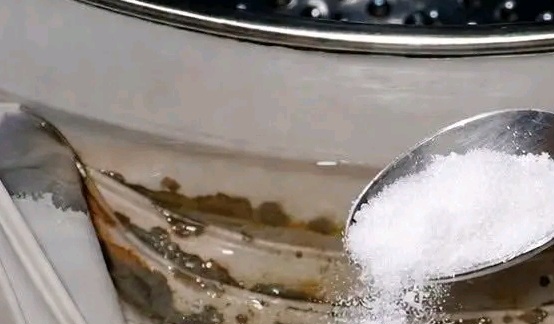
Put This in Your Washing Machine Instead of Vinegar? What Actually Works for Mold, Odors, and BuildupVinegar and citric acid are often promoted online as simple ways to clean a washing machine. They are said to remove mineral buildup, eliminate unpleasant odors, and leave the machine smelling fresh without the strong smell associated with commercial cleaners.But there is an important detail that many cleaning hacks leave out: acidic cleaners are not automatically safe for every washing machine.Citric acid can dissolve mineral deposits such as limescale. However, that does not mean you should pour it into any washing machine. Bosch, for example, advises against using vinegar and citric acid in its machines because acids can affect rubber components and contribute to deterioration over time.Miele, on the other hand, specifies in instructions for some models that a particular citric-acid-based descaling product may be used according to the productand machine instructions.The safest rule is simple: check your washing machine’s manual before putting citric acid, vinegar, bleach, or any other cleaning chemical inside the machine.Why Does a Washing Machine Smell Bad?A musty washing machine smell is not necessarily caused by limescale.In many cases, the problem is caused by a combination of moisture and residue.Common causes include:Excess detergentFabric-softener residueDirt, body oils, and skin particlesMoisture trapped inside the rubber door gasketLint and hairFrequent low-temperature washingBuildup inside the detergent drawerWater remaining in filters, hoses, or other areasOn front-loading washing machines, the rubber gasket around the door is one of the most common problem areas.Moisture, hair, lint, and detergent residue can collect inside the folds of the gasket. If the area remains damp, it can contribute to musty odors and microbial growth.Samsung recommends cleaning the door gasketregularly and allowing it to dry thoroughly.Citric Acid, Baking Soda, and Vinegar: What Do They Actually Do?These household products work differently, and they should not be treated as interchangeable.Citric AcidCitric acid is acidic and can dissolve mineral deposits such as limescale.That makes it potentially useful for descaling—but only when the washing machine manufacturer allows it.Some manufacturers specifically advise against household acids because they may affect rubber seals and other components.Baking SodaBaking soda is mildly alkaline and can help with certain odors and light residues.However, baking soda should not be considered a dependable solution for established mold inside a washing machine.VinegarVinegar is also acidic and can help dissolve some mineral deposits.But again, manufacturer recommendations matter.For example, Bosch advises against using vinegar and citric acid in its washing machines because repeated exposure to acids can damage or deteriorate rubbercomponents.Should You Mix Citric Acid and Baking Soda?It may look impressive, but the reaction does not make the combination a superior washing-machine cleaner.When an acid such as citric acid reacts with baking soda, they neutralize one another. The fizzing you see is primarily the result of a chemical reaction producing carbon dioxide.That means you are reducing the properties that make each ingredient useful on its own.If you need to remove mineral deposits, use an approved descaling method. If you need to deal with dirt or odors, clean the areas where residue actually accumulates.The Safest Way to Clean a Washing MachineThe best starting point is usually the cleaning program provided by the manufacturer.Depending on the brand and model, the program may be called:Drum CleanEco Drum CleanTub CleanMachine CleanSome manufacturers recommend running a drum-cleaning cycle regularly, depending on themachine and how frequently it is used.Always check the owner’s manual before adding a cleaning product. Some cleaning programs are specifically designed to run without detergent or other additives.How to Clean Your Washing Machine Step by StepEmpty the MachineRemove all clothing from the drum.Check inside the drum and make sure there are no forgotten items such as coins, tissues, or small pieces of clothing.Clean the Rubber Door GasketIf you have a front-loading washer, gently pull back the folds of the rubber gasket.Remove visible:HairLintCoinsPaperDetergent residueDirtWipe the gasket with warm water and a soft cloth.For some models, the manufacturer may allow mild soap or mild detergent. Follow the instructions for your specific machine.Most importantly, dry the gasket thoroughly afterward.Clean the Detergent DrawerRemove the detergent drawer if your machine allows it.Rinse it withwarm water and use a soft brush to remove hardened detergent and fabric-softener residue.Allow the drawer to dry before replacing it.Run the Machine’s Cleaning ProgramIf your washer has a dedicated cleaning cycle, use it according to the manufacturer’s instructions.These programs are designed to help remove residue and buildup from areas inside the machine.Do not automatically run a 90°C cycle simply because an online cleaning hack recommends it.Different washing machines use different materials, programs, and temperature requirements.Check the Pump FilterIf your washing machine has an accessible pump filter, check it according to the owner’s manual.A dirty filter can contribute to unpleasant odors and drainage problems.You may find:HairLintCoinsButtonsSmall pieces of fabricHave a shallow container and towel available because water may come out when the filter is opened.Let the Machine DryAfter cleaning:Wipe therubber gasket dryLeave the door slightly openLeave the detergent drawer partially open if appropriateAllowing air to circulate through the machine helps reduce trapped moisture.Samsung specifically recommends leaving the door open until the gasket and interior have dried.What If You Can See Mold?Visible mold requires more attention than an ordinary musty smell.Start by checking the manufacturer’s instructions for your model.Some manufacturers provide specific procedures for dealing with mold or persistent odors. Certain Samsung models, for example, have instructions involving cleaning cycles and, in some circumstances, chlorine bleach.But a cleaning procedure recommended for one brand should not automatically be applied to another.Only use bleach if your washing machine manufacturer explicitly permits it and provides instructions for doing so.Never Mix Bleach With AcidsThis is one of the most important safety rules.Never mix chlorine bleach with:VinegarCitric acidOther acidiccitric-acid-based descaling product.That does not necessarily mean that any amount of pure citric acid purchased from a grocery store is appropriate.Follow:The washing machine manualThe approved product’s dosageThe recommended temperatureThe specified cleaning or descaling programIs 200 Grams of Citric Acid a Universal Dosage?No.A fixed amount such as 200 grams should not be presented as a universal recommendation for every washing machine.Different machines use different materials, seals, heating systems, and cleaning programs.A quantity that is appropriate for one machine may be unsuitable for another.The safer approach is to check whether the manufacturer permits citric acid and follow the specified dosage rather than relying on a generic internet recipe.Frequently Asked QuestionsCan baking soda remove mold from a washing machine?Baking soda may help with certain odors and light residue, but it should not be treated as a reliable methodfor removing established mold.Is citric acid better than vinegar?Not universally.Both are acids and can affect certain materials. Bosch, for example, advises against using both vinegar and citric acid in its washing machines.Should I run the washer at 90°C?Only if the manufacturer’s instructions or the machine’s cleaning program allows it.Some machines use dedicated cleaning programs at lower temperatures.Why does the rubber gasket smell?Moisture, lint, hair, and detergent residue can accumulate inside the gasket folds.Cleaning and drying the gasket regularly can help prevent recurring odors.Can I just pour something into the drum and fix everything?No.A washing machine has several areas that can collect residue:DrumRubber gasketDetergent drawerPump filterDrainage systemA single “miracle mixture” cannot reliably solve every type of washing-machine problem.The Best Alternative to Vinegar Isn’t Always Another DIY HackCitric acid can beeffective at dissolving mineral deposits, but it should not automatically be poured into every washing machine.Baking soda may help with certain odors, but combining baking soda with citric acid neutralizes much of the chemical effect that makes either useful for specific purposes.For a cleaner, fresher washing machine, a better approach is to clean the rubber gasket and detergent drawer, check the pump filter, allow the machine to dry after use, and run the manufacturer’s recommended cleaning program.If descaling is necessary, use a method and product approved for your particular machine.That may sound less dramatic than the promise of “one ingredient that makes your washing machine like new,” but it is a much safer and more reliable approach for both cleaning performance and the long-term condition of the machine.
Put it in the drum instead of vinegar. Mold and coatings disappear, and the washing machine will smell wonderful!