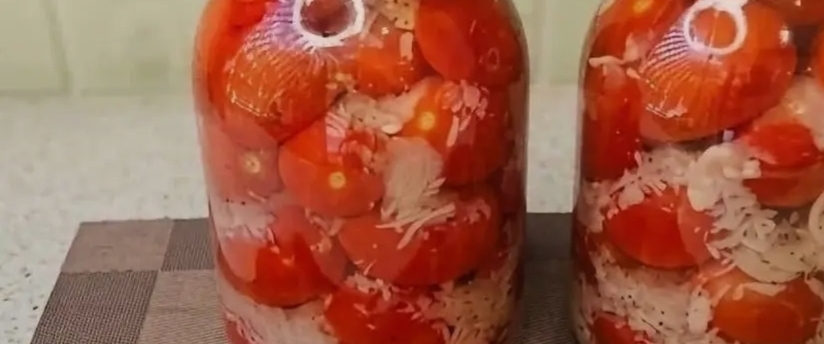
Preserve Summer Freshness: Pickled Tomatoes with SauerkrautImagine biting into a perfectly fresh, vibrant tomato in the dead of winter, tasting as if it was just picked from the vine. Sounds like a dream, right? Well, with this incredible recipe for pickled tomatoes with sauerkraut, that dream becomes a reality! For years, this method has allowed me to preserve the bounty of summer, keeping tomatoes firm, flavorful, and wonderfully tangy, much to the envy of my neighbors.This isn’t just about canning; it’s about capturing a moment, a season, and ensuring that the taste of fresh tomatoes is always within reach. The combination of juicy tomatoes and crisp, fermented cabbage (sauerkraut) creates a unique flavor profile that’s both refreshing and robust. It’s a fantastic way to enjoy your harvest long after the summer sun has faded.Why You’ll Love This Pickled Tomato RecipeExtended Freshness: This preservation method truly keeps tomatoes tasting fresh for an extended period, far beyond typical storage methods.Unique Flavor Combination: The tangy sauerkraut complements the sweet acidity of the tomatoes beautifully, creating a complex and addictive taste.Simple Canning Process: While it involves canning, the steps are straightforward and accessible for home cooks.Versatile Use: These pickled tomatoes are perfect as a side dish, in salads, or as a flavorful addition to various meals.Homemade Goodness: Enjoy the satisfaction of knowing you’ve preserved your own food with natural ingredients.Ingredients for Pickled Tomatoes with SauerkrautThe beauty of this recipe lies in its simplicity and the quality of its fresh ingredients. Using ripe, firm tomatoes is key to achieving that summer-fresh taste months later. The sauerkraut not only adds incredible flavor but also contributes to the preservation process.Ingredient NotesTomatoes: Choose firm, ripe tomatoes. Roma or other paste tomatoes work well due to their lower water content and firm flesh, but any small to medium-sized tomato can be used. Ensure they are unblemished.Sauerkraut/Shredded Cabbage: If using fresh shredded cabbage, you’ll need to lightly salt and bruise it to start the fermentation process, or simply use store-bought sauerkraut for convenience. For best results, ensure it’s unpasteurized sauerkraut to benefit from its probiotics.Garlic: Fresh garlic cloves add a pungent, aromatic kick that permeates the pickling liquid and tomatoes.Pickling Brine: A simple brine of water, vinegar, salt, and sugar is essential for both flavor and preservation. Adjust sweetness and tanginess to your preference.Spices: While not explicitly visible, common pickling spices like bay leaves, black peppercorns, or dill sprigs can elevate the flavor.How to Make Pickled Tomatoes with SauerkrautMaking these pickled tomatoes is a rewarding process. The key is proper sterilization and careful layering to ensure even flavor distribution and safe storage.Sterilize Jars and Lids: Wash glass jars and lids thoroughly with hot soapy water. Sterilize them by boiling in water for at least 10 minutes, or by running them through a hot cycle in a dishwasher. Keep them hot until ready to fill.Prepare Tomatoes: Wash tomatoes thoroughly. For smaller tomatoes, you can leave them whole. For larger ones, you may want to halve or quarter them. Prick each tomato a few times with a clean fork or toothpick to allow the brine to penetrate.Prepare Sauerkraut/Cabbage: If using fresh cabbage, finely shred it and lightly salt it. Let it sit for about 30 minutes to release some moisture. If using prepared sauerkraut, drain it slightly.Assemble Jars: In each hot, sterilized jar, place a layer of sauerkraut or shredded cabbage at the bottom. Add a few cloves of garlic. Then, tightly pack a layer of prepared tomatoes. Alternate layers of sauerkraut, garlic, and tomatoes until the jar is almost full, leaving about 1 inch of headspace. Press down gently to remove air pockets.Prepare the Brine: In a saucepan, combine water, vinegar, salt, and sugar. Bring to a boil, stirring until salt and sugar are dissolved. Taste and adjust seasoning if desired.Fill Jars with Brine: Carefully pour the hot brine over the contents of each jar, ensuring all tomatoes and cabbage are submerged. Tap the jars gently on the counter to release any trapped air bubbles. If necessary, top off with more brine, maintaining the 1-inch headspace.Seal and Process: Wipe the rims of the jars clean with a damp cloth. Place the sterilized lids on top and secure with screw bands until finger-tight. Process the jars in a boiling water canner according to recommended guidelines for your altitude and jar size (typically 15-20 minutes for pint jars).Cool and Store: Carefully remove the jars from the canner and place them on a clean towel or wire rack to cool completely, undisturbed, for 12-24 hours. Check seals; lids should be concave and not flex when pressed. Store properly sealed jars in a cool, dark place.Helpful Canning TipsQuality Ingredients: Starting with fresh, high-quality tomatoes and sauerkraut is paramount for the best flavor and texture.Sterilization is Key: Proper sterilization of jars and lids is crucial for safe canning and preventing spoilage.Don’t Overpack: Leave adequate headspace (about 1 inch) to allow for expansion during processing and to ensure a proper seal.Remove Air Bubbles: Use a non-metallic utensil (like a chopstick or plastic knife) to gently release air bubbles after filling with brine.Check Seals: After cooling, always check that your jars have sealed properly. If a lid hasn’t sealed, refrigerate that jar and consume its contents within a few weeks.Ingredient SubstitutionsCabbage: If sauerkraut isn’t available, fresh shredded green cabbage can be used, but it won’t provide the same fermented tang unless you allow it to ferment in the jar. Adding a teaspoon of pickling spice to each jar can enhance the flavor.Vinegar: White vinegar is common for its neutral flavor, but apple cider vinegar can also be used for a slightly fruitier, milder tang.Sweetener: Granulated sugar is standard, but you can experiment with honey or maple syrup for different flavor notes, though this may alter the brine’s clarity.VariationsSpicy Pickled Tomatoes: Add a few slices of fresh jalapeño or a pinch of red pepper flakes to each jar for a spicy kick.Herbal Infusion: Incorporate fresh dill sprigs, bay leaves, or mustard seeds into the jars for added aromatic depth.Mixed Vegetables: While the focus is on tomatoes and cabbage, small pieces of carrots or bell peppers could be added for color and extra texture.Serving SuggestionsThese pickled tomatoes are incredibly versatile! They make a fantastic side dish to grilled meats, a zesty addition to sandwiches and wraps, or a refreshing component in a winter salad. The tangy brine and crisp texture also make them a delightful appetizer straight from the jar.Storage and ReheatingOnce properly sealed and stored in a cool, dark place, these pickled tomatoes can last for up to a year. After opening, store any leftover contents in the refrigerator and consume within a few weeks for best quality. Reheating is not recommended as it will soften the tomatoes and diminish their pickled crunch.Frequently Asked QuestionsQ: Can I use cherry tomatoes for this recipe?A: Yes, cherry tomatoes work wonderfully! You may not need to prick them, and they’ll offer a delightful pop of flavor.Q: What kind of jars should I use?A: Always use canning-specific glass jars with two-piece lids (a flat lid and a screw band) designed for home canning. These ensure a proper seal.Q: How do I know if my jars have sealed properly?A: After cooling for 12-24 hours, the center of the lid should be concave (curved inwards) and should not flex up or down when pressed. If it pops, the jar is not sealed and should be refrigerated.Q: Can I reduce the amount of salt?A: Salt is important for both flavor and safety in canning. While you can slightly adjust to taste, significantly reducing salt can compromise the preservation process.Final Recipe NotesThis recipe for pickled tomatoes with sauerkraut is more than just a way to preserve food; it’s a way to bring the vibrant taste of summer into the colder months. The combination of tangy sauerkraut and juicy tomatoes creates a truly irresistible flavor that will have everyone asking for your secret. With a little care in preparation, you’ll be enjoying these delightful pickles for a long time to come. Happy canning!Ingredients5 lbs firm, ripe tomatoes (small to medium size)3-4 cups sauerkraut or finely shredded green cabbage6-8 cloves garlic, peeled and thinly slicedFor the Brine:6 cups water2 cups white vinegar (5% acidity)1/4 cup pickling salt (non-iodized)1/4 cup granulated sugarInstructionsSterilize Jars and Lids: Wash glass jars and lids thoroughly with hot soapy water. Sterilize them by boiling in water for at least 10 minutes, or by running them through a hot cycle in a dishwasher. Keep them hot until ready to fill.Prepare Tomatoes: Wash tomatoes thoroughly. For smaller tomatoes, you can leave them whole. For larger ones, you may want to halve or quarter them. Prick each tomato a few times with a clean fork or toothpick to allow the brine to penetrate.Prepare Sauerkraut/Cabbage: If using fresh cabbage, finely shred it and lightly salt it. Let it sit for about 30 minutes to release some moisture. If using prepared sauerkraut, drain it slightly.Assemble Jars: In each hot, sterilized jar, place a layer of sauerkraut or shredded cabbage at the bottom. Add a few cloves of garlic. Then, tightly pack a layer of prepared tomatoes. Alternate layers of sauerkraut, garlic, and tomatoes until the jar is almost full, leaving about 1 inch of headspace. Press down gently to remove air pockets.Prepare the Brine: In a saucepan, combine water, vinegar, salt, and sugar. Bring to a boil, stirring until salt and sugar are dissolved. Taste and adjust seasoning if desired.Fill Jars with Brine: Carefully pour the hot brine over the contents of each jar, ensuring all tomatoes and cabbage are submerged. Tap the jars gently on the counter to release any trapped air bubbles. If necessary, top off with more brine, maintaining the 1-inch headspace.Seal and Process: Wipe the rims of the jars clean with a damp cloth. Place the sterilized lids on top and secure with screw bands until finger-tight. Process the jars in a boiling water canner according to recommended guidelines for your altitude and jar size (typically 15-20 minutes for pint jars).Cool and Store: Carefully remove the jars from the canner and place them on a clean towel or wire rack to cool completely, undisturbed, for 12-24 hours. Check seals; lids should be concave and not flex when pressed. Store properly sealed jars in a cool, dark place.Prep time: 30 minutesCook time: 20 minutesTotal time: 50 minutesServings: Makes 2-3 large jars
Search Results for: Preserve Summer Freshness: Pickled Tomatoes with Sauerkraut