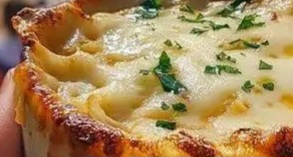
The Soul of the Bistro—A Masterclass in French Onion SoupHeadline: The Ultimate Comfort: Why French Onion Soup is the Masterpiece of Slow CookingFew dishes in the culinary world command as much respect and nostalgic affection as French Onion Soup (Soupe à l’Oignon). As seen in our featured imagery—where a golden, bubbling layer of Gruyère cheese drapes over the sides of a white ceramic crock—this dish is the epitome of rustic elegance. While its ingredients are humble, the result is a complex, umami-rich broth that has warmed hearts in Parisian bistros for centuries.Originally considered a “poor man’s food” due to the abundance and low cost of onions, the modern version we adore today evolved in the 18th century. It became a staple of the Les Halles market in Paris, where it was served to workers and late-night revelers alike. The magic of the soup lies not in secret spices, but in the Maillard reaction—the chemical process of browning the natural sugars in onions until they reach a state of deep, jammy caramelization.In this exhaustive 2,000-word guide, we are exploring the architectural secrets of the “cheese lid,” the science of deglazing with wine, and the debate between beef and vegetable stocks. This is the ultimate resource for anyone looking to recreate the authentic French bistro experience at home.The Legacy of the GratinéeWhat separates a standard onion soup from a masterpiece is the gratinée. This refers to the crust formed by the toasted bread and melted cheese. In our photography, you can see the perfect char on the cheese, achieved through high-heat broiling. By mastering this recipe, you are preserving a culinary tradition that balances the sweetness of the earth with the saltiness of the sea and the richness of the dairy.Ingredients Deep-Dive—The Chemistry of CaramelizationHeadline: Sourcing the Umami: Why Every Ingredient is a Building Block of FlavorTo achieve the dark, rich broth and the stretchy cheese pull visible in our photos, you must understand the specific role of each component.1. The Onions: Yellow vs. SweetFor the most balanced flavor, we recommend a mix of Yellow Onions and Vidalia (Sweet) Onions. Yellow onions provide a pungent, sharp base that holds up to long cooking, while sweet onions provide the extra sugar needed for that deep mahogany color. You will need at least 5 to 6 large onions for a single pot, as they reduce significantly in volume.2. The Liquid Gold: Beef Bone BrothThe depth of the soup depends entirely on the stock. While store-bought broth is an option, an authentic bistro soup uses Beef Bone Broth. The gelatin in the bones provides a silky mouthfeel that coats the palate. If you are making a vegetarian version, use a mushroom-based stock to mimic that earthy umami.3. The Deglazing Agent: Dry Sherry or White WineAs the onions brown, they leave behind “fond”—the brown bits stuck to the bottom of the pan. Adding a splash of dry Sherry or a crisp Pinot Grigio lifts these flavors back into the soup, adding a necessary acidic brightness to balance the heavy fats.4. The Bread: Stale French BaguetteThe bread isn’t just a garnish; it is a structural raft. We use thick slices of a day-old French baguette. It must be toasted until hard so that it can support the weight of the cheese without immediately dissolving into the broth.5. The Crown Jewel: Gruyère and ComtéThe iconic “melt” you see in the image comes from Gruyère. It is a Swiss-style cheese known for its high fat content and nutty flavor. For the best results, grate the cheese yourself; pre-shredded bags contain cornstarch that prevents the perfect “cheese pull.”The Masterclass—Step-by-Step Culinary InstructionsHeadline: The Patience of a Chef: A Step-by-Step Guide to Perfect CaramelizationStep 1: The Long SautéMelt 4 tablespoons of unsalted butter in a heavy Dutch oven. Add your thinly sliced onions. This is where most home cooks fail—they rush. To reach the color seen in our images, you must cook the onions over medium-low heat for 45 to 60 minutes. Stir occasionally. They should turn from translucent to golden, and finally to a deep, dark brown.Step 2: The Fond and the FlourOnce the onions are jammy, sprinkle in 2 tablespoons of all-purpose flour. This acts as a thickener, giving the soup body. Stir for 2 minutes to cook out the raw flour taste.Step 3: Deglazing the SoulPour in 1/2 cup of dry Sherry or wine. Use your wooden spoon to scrape every brown bit off the bottom of the pot. This is where the color of your broth is born.Step 4: The SimmerAdd 6 cups of beef stock, 2 sprigs of fresh thyme, and 1 bay leaf. Simmer for at least 30 minutes. This allows the caramelized sugar from the onions to fully infuse the liquid. Season with sea salt and cracked black pepper to taste.Step 5: The Toasted RaftsWhile the soup simmers, slice your baguette into 1-inch rounds. Brush with olive oil and toast in the oven until they are crunchy and golden on both sides.Step 6: The Broil (The Final Flourish)Ladle the soup into oven-safe crocks. Place a toasted bread slice on top. Pile a generous amount of grated Gruyère over the bread, ensuring it touches the edges of the bowl (this creates the “seal”). Place under a broiler for 3–5 minutes until the cheese is bubbling and has dark brown spots. Troubleshooting, Storage, and Global VariationsHeadline: Technical Excellence: Protecting Your Broth and Customizing the CrockTroubleshooting Common Issues“My soup is too sweet”: You may have used only sweet onions or didn’t add enough salt. A teaspoon of balsamic vinegar can help balance the sugar.“The cheese sank”: Your bread wasn’t toasted enough, or your slices were too thin. The “raft” must be sturdy.“The broth is cloudy”: This happens if the soup is boiled too vigorously. Keep it at a gentle simmer to maintain clarity.Creative VariationsWhile the French classic is king, you can adapt this recipe for modern palates:The Irish Twist: Use Guinness stout to deglaze the onions instead of wine for a maltier, darker flavor.The Garlic-Lover’s Crock: Rub a raw clove of garlic on the toasted baguette slices before placing them on the soup.The Cider House Version: Use hard apple cider and top with sharp white cheddar for a New England inspired flavor.Storage and LongevityMake Ahead: The broth actually tastes better the next day. Store the liquid (without bread/cheese) in the fridge for up to 4 days.Freezing: French Onion Soup base freezes exceptionally well for up to 6 months. Always freeze without the bread and cheese.Reheating: Reheat on the stove, then follow the broiling steps fresh for each serving to ensure the cheese is perfect.Conclusion: A Bowl of Pure ComfortFrench Onion Soup is a reminder that time is the most important ingredient in the kitchen. It is a dish that rewards patience with a depth of flavor that no shortcut can replicate. From the first snap of the cheese crust to the last spoonful of savory broth, it is a sensory journey that defines the best of home cooking.
Tasty French onion soup