
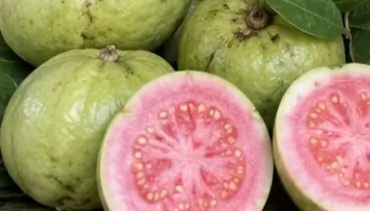
Why a Cloudy Lens Feels So Personal After 50
A cataract is a gradual clouding of the eye’s natural lens. Light scatters instead of focusing, so glare, faded color, and night driving become exhausting. Guava enters the conversation because oxidative stress is one factor researchers study in age-related lens changes, and guava is one of the richest everyday sources of vitamin C.
The frustration is not only medical. It is missing faces across a room and pretending the haze is “just tired eyes.” Guava does not erase that fear in a night. Honest nutrition still matters, because waiting for a miracle fruit often delays the one step that actually restores sight when a lens is already opaque: a proper exam.
Research shows mixed but useful signals. Observational studies link higher dietary vitamin C and carotenoids with lower cataract risk over years. Randomized supplement trials are far less impressive. That gap is why food-first habits like guava belong in a lifestyle plan, not on a consent form as a substitute for care.
 What Makes Guava Different From Ordinary Fruit Bowls
One medium guava often delivers more vitamin C than a typical orange. Guava also brings fiber, potassium, small amounts of vitamin A precursors, and polyphenols. That mix is why nutrition writers keep putting guava next to conversations about aging eyes.
Here is the catch. Vitamin C in the diet shows up in the blood, the aqueous humor, and to some degree the lens. Higher intake in cohort studies tracks with lower reported risk. High-dose pills, by contrast, have repeatedly failed to slow cataract surgery rates in large trials. Guava is food, not a megadose capsule, and that distinction protects you from false hope.
The emotional sting is familiar: you already bought drops, blue-light glasses, and a “vision gummy.” Guava costs less than those aisles and still earns a place at breakfast. Use it as support, never as a stand-in for dilated exams.
Nutrient snapshot readers actually use
| Everyday portion | Why it matters for aging eyes | Practical note |
|---|---|---|
| 1 medium fresh guava | Very high vitamin C; fiber; modest carotenoids | Eat the flesh; rinse well |
| 1 cup mixed leafy greens | Lutein and zeaxanthin studied for lens and macula | Pair with guava at lunch |
| UV-blocking sunglasses | Lowers extra oxidative load from sunlight | Wear even on cloudy days |
| Regular eye exam | Finds cataract type and real visual impact | No fruit replaces this |
Guava looks impressive on paper. Pairing it with greens and sun protection is the habit that matches what population studies actually measured: overall diet quality, not a single overnight snack.
 The Overnight “Clear Lens” Claim Clinics Never Print for a Reason
Social posts promise that guava clears a cloudy lens while you sleep. That claim is false. Protein clumps inside an already cloudy lens do not dissolve because you ate tropical fruit. Guava supports antioxidant intake. It does not perform surgery.
The pain behind the click is real. People dread loss of a driver’s license, missed grandchildren’s faces, and a consent form they do not fully understand. Marketing that uses that fear is the problem. Guava belongs in the kitchen. Decisions about a cloudy lens belong with an ophthalmologist.
Clinical trials of antioxidant vitamins have not shown reliable slowing of cataract progression or fewer operations. Observational diets rich in fruit and vegetables look better. That is the honest middle: eat guava often, skip the overnight miracle, book the exam if glare already changes your life.
 A 3-Minute Morning Guava Habit You Start Tomorrow
You do not need a juicer, a cleanse, or a 14-day challenge. Guava works as a repeatable breakfast add-on.
Do this:
- Rinse one ripe guava. Slice it. Eat the flesh. Many people swallow the small seeds; spit larger ones if they bother you.
- Add the slices to plain yogurt or a small bowl of berries if the flavor feels sharp.
- Drink water with the fruit. Dehydration makes eyes feel scratchy and adds to the “something is wrong” panic.
- Put UV sunglasses by the door before you leave. Diet plus light protection beats diet alone.
That is the whole morning loop. Guava stays on the counter so you see it. Missed days happen. Restart the next morning instead of waiting for a perfect week.
The hidden frustration: people buy a bag of guava, eat two, and quit when vision feels the same on day three. Lens aging is slow. Food habits are slow. Judge guava by whether you keep eating it, not by a selfie in the bathroom mirror.
 How to Build Guava Into Meals Without Getting Bored
Variety keeps the habit alive. Guava pairs well with savory food, not only dessert.
Easy plates:
- Lunch salad: greens, cucumber, a few guava cubes, olive oil, and lemon
- Snack: chilled guava wedges with a handful of unsalted nuts
- Dinner side: grilled fish or tofu plus sliced guava and herbs
- Blend option: half a guava with unsweetened yogurt and ice if chewing seeds is unpleasant
Skip dumping five guavas into a sugary smoothie. Extra sugar does not help blood sugar or energy, and many readers already worry about both. One fruit at a time is enough.
If raw guava tastes too musky, choose a riper, fragrant fruit or switch to pink-fleshed types. The goal is repeatable intake, not a restaurant presentation. Guava still counts when it is simply cut and eaten over the sink.
 Habits That Work Beside Guava When Glare Starts Stealing Nights
Food is one lever. Light and lifestyle are the others. Guava does not cancel years of midday sun without a hat.
Wear sunglasses that block UVA and UVB, not only dark fashion lenses. A wide brim helps. If you smoke, quitting remains one of the strongest personal steps linked with lower cataract risk. Blood sugar control matters too, because diabetes speeds lens changes.
Night driving already feels unsafe for many people with early haze. That fear is valid. Guava in the morning will not make oncoming headlights crisp tonight. Limit night trips, keep windshields clean, and say the quiet part in the exam room: “Glare is changing how I live.” Clinicians hear that sentence better than a list of supplements.
 What Studies Actually Say About Vitamin C, Diet, and the Lens
Cohort research often finds that people who eat more vitamin C, lutein, and zeaxanthin report fewer cataracts over time. Dose-response papers have estimated risk reductions with higher long-term intake. That sounds like a green light for guava, and it is a fair reason to eat the fruit.
Then the trials arrive. AREDS and related work did not show that high-dose antioxidant pills prevent cataract surgery in well-nourished older adults. Some analyses even flagged high-dose vitamin C supplements, used for many years, as a possible concern in certain groups. Food and pills are not the same experiment.
So the practical reading is narrow and honest. Guava is a dense food source of vitamin C. A pattern of fruits, vegetables, and not smoking is the lifestyle package tied to better observational outcomes. Guava is one vivid piece of that pattern. It is not a lens polish.
The human cost of ignoring that nuance is delayed surgery and years of avoidable dimness. Keep the fruit. Keep the appointment.
 A One-Week Starter Plan That Respects Real Life
Day 1–2: Buy ripe guava. Eat one with breakfast. Place sunglasses by the keys.
Day 3–4: Add guava cubes to a salad. Notice glare at dusk and write one sentence about it.
Day 5: If reading or driving already feels unsafe, book an eye exam instead of buying another bottle.
Day 6–7: Repeat the fruit. Cook it if you are tired of the raw taste. Review medications and diabetes care with your clinician, because those affect the lens more than any single grocery item.
Guava stays in the plan after week one only if it is easy. Frozen pulp works when fresh fruit disappears from the market. Canned guava in heavy syrup is a dessert, not the daily habit.
 When Guava Is Not Enough and You Need a Chair in the Clinic
Seek care promptly if you notice sudden vision loss, flashes, a curtain over part of the visual field, eye pain, or a rapid jump in glare. Those signs are not a “eat more guava” moment. They are urgent.
Even slow, classic cataract symptoms deserve a schedule: frequent prescription changes, lights that bloom, colors that look brassy, trouble with faces at dusk. Surgery is the standard way to remove a lens that has already turned cloudy enough to limit life. Guava does not compete with that operation. It sits in the years before and the years after as part of ordinary eating.
The open loop from the start is this: the “secret” is not a hidden extract. It is refusing the overnight story so you still have time, money, and courage left for the exam that actually names what is happening in the lens.
 FAQ
FAQ
Does eating guava every day clear an existing cataract?
No. Guava supplies vitamin C and other plant compounds. An established cloudy lens does not clear because of fruit. An eye specialist measures how much the lens is affecting your life and discusses options, including surgery when vision loss is significant.
How much guava fits a normal day?
One medium fruit is a reasonable food portion for most adults. People with kidney disease, specific medication limits, or fruit intolerances should ask their clinician before making large daily changes. Guava is still a food, not a prescribed dose.
Is guava juice as useful as the whole fruit?
Whole guava keeps the fiber that juice throws away and is easier to portion. If you drink juice, keep the glass small and unsweetened. The habit that matches the research is a pattern of fruit and vegetables, not a sweetened drink labeled as eye care.
Disclaimer
This article is for general information only. It is not a diagnosis, treatment plan, or substitute for professional medical advice. Cataracts and other eye conditions require evaluation by a qualified eye-care clinician. Do not delay medical care because of a food trend or online claim.