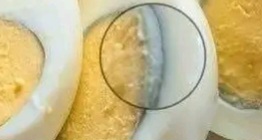
Don’t OvercookBoil for only 9–12 minutes, depending on sizeUse a timer — don’t guessCool QuicklyImmediately transfer boiled eggs to a bowl of ice water for at least 5 minutesStops the cooking process and minimizes the iron-sulfur reactionUse Medium HeatBring water to a gentle boil, then reduce to a simmer after adding eggsAvoid rolling boils — they make eggs bounce and crackStart with Room-Temperature EggsCold eggs from the fridge are more likely to crack when dropped into hot waterLet them sit out for 10–15 minutes before boiling🍽️ Bonus: How to Make Perfect Hard-Boiled EggsPlace eggs in a single layer in a saucepanCover with cold water (1 inch above eggs)Bring to a boil, then cover and remove from heatLet sit for 10 minutes (for medium/large eggs)Drain and transfer to ice water for 5+ minutesPeel and enjoy!💡 Pro Tip: Add a pinch of salt or vinegar to the water — helps minimize mess if eggs crack.Final ThoughtsThat green ring isn’t a flaw.It’s just science showing off.So next time you see it…don’t toss the egg.Eat it proudly.If you hope to stay active, independent, and mobile well into your 70s and 80s, it’s worth making these six foods a regular part of your diet starting today.Nutrition plays a major role, but it is not the only factor that matters. A healthy diet provides the foundation, yet preserving strong bones and joints over the years also depends on lifestyle choices. Everyday habits such as walking briskly, taking the stairs, doing light resistance exercises, getting adequate sunlight for vitamin D production, maintaining a healthy weight, and avoiding excessive alcohol and smoking can all contribute to better bone health.Calcium supplements should generally be considered only when dietary intake is insufficient or when advised by a healthcare professional. Bone loss often develops silently without early warning signs. However, caring for your bones now can help ensure that years from today you remain strong, flexible, and able to move confidently on your own.Many individuals do not pay much attention to bone health until they begin experiencing back pain, joint discomfort, or mobility issues. In reality, bones do not weaken suddenly. Bone density typically reaches its highest level between the ages of 20 and 30 before gradually declining as the years pass.This process becomes especially significant for women after menopause, when hormonal changes can accelerate bone loss. By the time a person reaches their 70s or 80s, previously weakened bones can make even a small fall result in a fracture, often requiring a lengthy recovery period.For that reason, anyone who wishes to stay active later in life, move comfortably, and maintain good posture should begin supporting bone health early through proper nutrition. Below are six food groups that deserve a place in your regular diet.For illustration purposes onlyEggsFor Complete Cooking STEPS Please Head On Over To Next Page Or Open button (>) and don’t forget to SHARE with your Facebook friendsEggs provide high-quality protein along with a modest amount of vitamin D.Protein is essential for bone health because maintaining strong muscles improves balance and stability, helping reduce the likelihood of falls—the leading cause of fractures among older adults.Although eggs are not a major source of calcium, they still contribute indirectly to healthier bones and joints.Leafy Green VegetablesADVERTISEMENTVegetables such as kale, bok choy, spinach, and amaranth greens contain many nutrients that support bone health.These greens are rich in vitamin K, which helps with bone mineralization through a protein known as osteocalcin. They also provide magnesium, an important mineral involved in bone structure and vitamin D metabolism.Certain vegetables, including kale and bok choy, also offer a reasonable amount of calcium. Since calcium absorption differs among vegetables, it is beneficial to eat a variety of leafy greens rather than relying on a single type.Milk and Dairy FoodsMilk, yogurt, and cheese are excellent sources of calcium that the body can absorb efficiently.Besides calcium, dairy products also provide protein, which helps preserve both bone and muscle structure. Individuals who avoid milk because of lactose intolerance or personal dietary preferences should make sure they obtain sufficient calcium from alternative food sources.Nuts and SeedsFoods such as almonds, sesame seeds, chia seeds, and cashews may not be the richest sources of calcium, but they supply magnesium and other valuable nutrients involved in bone maintenance.They also contain heart-friendly unsaturated fats. When eaten in moderation, nuts and seeds complement a balanced diet and contribute to overall well-being.Fruits High in Vitamin COranges, mandarins, grapefruits, guavas, and similar fruits are excellent sources of vitamin C.Vitamin C is necessary for the production of collagen, which forms a key part of bone tissue. Collagen helps bones remain not only strong but also resilient and flexible, supporting long-term bone integrity.Fatty FishFatty fish such as salmon, mackerel, and sardines offer several advantages for bone health.These fish provide vitamin D, which helps the body absorb calcium more effectively. They are also rich in high-quality protein and omega-3 fatty acids that support cardiovascular health and may help reduce inflammation.Even when calcium intake is adequate, insufficient vitamin D can limit the body’s ability to absorb it properly. For this reason, including fatty fish in your meals two or three times each week is an excellent way to support healthy bones and joints.ADVERTISEMENTSee next page:
Why does a green ring appear around hard-boiled eggs?